Good For: Problem framing
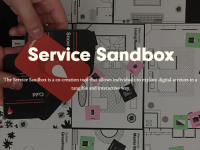
The Service Sandbox is a visual, playful, co-creation tool that allows individuals to explore digital services in a tangible and interactive way. The sandbox can be used to test an existing service or to create new ones. The resource is oriented toward designing interior environments, especially digitalising environments, but could be used more broadly. The tool consists of three phases (build, ideate and define), plus a pitch template for taking the process one step further. According to the…

The Design Sprint is a methodology for quickly solving problems through developing a hypothesis, prototyping an idea, and testing ideas with users. Design Sprints quickly align teams under a shared vision with clearly defined goals and deliverables. The Design Sprint methodology was developed at Google from a vision to grow user experience (UX) culture and the practice of design leadership across an organisation. The length of time for Design Sprints will be based on the goals and the needs of…
This resource is for creating equitable change in schools and learning environments. It helps build the capacity of school communities and learning coordinators to set and pursue equity aspirations, so that every student is future-ready, no matter their background, circumstances, or learning preferences. The resource is based on a design thinking process and includes an overview, methods, and instructions that are specifically tailored to learning environments. The resource includes sections:…
The Design for Policy toolkit PROMPT is targeted toward policymakers who wish to identify where design can add value to the policy cycle process by enhancing user and citizen participation. The majority of the design tools included in the resource are common qualitative research and design methods and follow a gradual shift in emphasis from data-centred policy to people-powered policy, according to the publishers.
PROMPT has been collaboratively developed by PDR - International Design and…
The main goal of the SISCODE Toolbox is to provide support for the co-creation labs in making sense of existing data, tools and toolkits. Co-creation is a non-linear process that involves multiple actors and stakeholders in the ideation, implementation and assessment of product services, policies and systems. The resource aims to improve their efficiency and effectiveness, and the satisfaction of those who take part in the process. The SISCODE Toolbox aims to facilitate the design and…
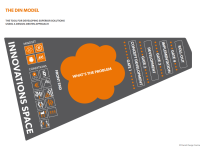
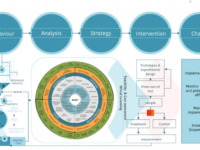
The DIN model is a methodology for developing solutions using a design-driven approach with the goals of achieving better and more innovative processes and outcomes, increasing probability of implementation, and improving user satisfaction. The model helps explore all the potential pitfalls, possibilities and limitations, particularly in the "front end" or early stage of projects. The DIN model consists of a series of phases and four ‘gates’. Each phase contains a variety of activities and…
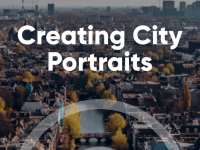
Creating City Portraits is a methodological guide for downscaling the Doughnut, and Doughnut Economics (based on the book and model of the same name), to the city and turning it into a tool for transformative action. This guide describes the methodology and introduces principles to consider at the city level as well as the interconnections between different scales, from household to global, to transform a city to a thriving and also ecologically and socially responsible one. The guide focuses on…
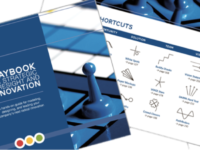
This resource contains a method library and playbook for commonly used strategic foresight tools, organised by a guiding framework of five planning phases (perspective, opportunity, solution, team, and vision). While it does contain the tools themselves, the resource also contains extensive guidance on each method, including overall guidance, examples, instructions, insights, tips, and tool templates. It also contains overall guiding principles, underlying theories, and considerations for using…
Australia's BizLab, within the Department of Industry, Innovation, and Science, was established in 2016 and launched BizLab Academy in 2018. The goal of the academy is to teach Human Centred Design (HCD) to department employees, but also the rest of the Australian Public Service. The academy aims to strengthen the public sector's capability for evidence-based policy and service design while at the same time instilling a citizen-centric culture and building an alumni of human centred design…
This resource is focused on collaboration around designs for solving product problems, specifically on the topics of trust, transparency and control concerning the use of personal data. The methodology used was inspired by those from the Stanford d.school and IDEO. The toolkit is split into four sections – Plan, Discover, Ideate and Prototype.
The resource contains over 20 guided activities and supporting materials (including downloadable worksheets) covering materials for planning and running…