

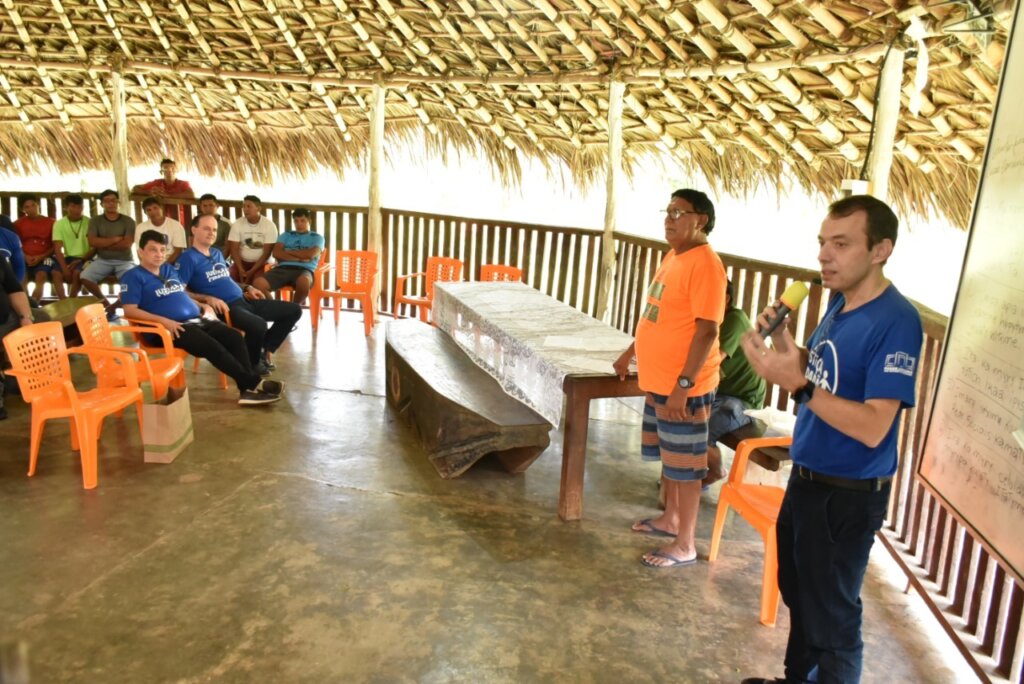
The "Programa Justiça Cidadã" in Brazil's Roraima state, led by the State Court of Justice, extends legal services to remote regions, including indigenous and riverside communities, addressing the needs of Venezuelan migrants. Through permanent service points and digital integration, it promotes inclusivity and accessibility, ensuring all residents can access legal support.
Innovation Summary
Innovation Overview
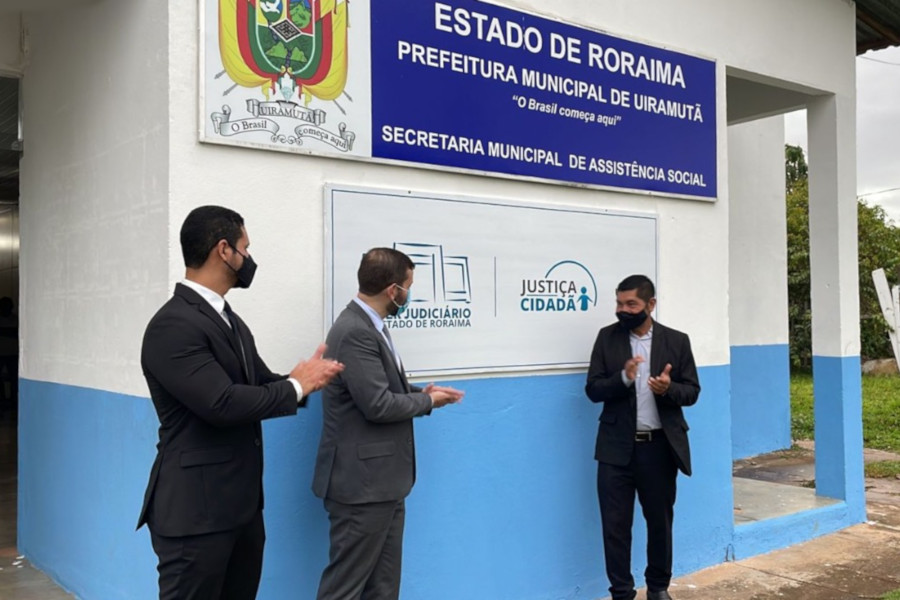
The “Programa Justiça Cidadã” (Citizen Justice Program) was designed to bridge the significant gap in judicial access experienced by residents of Roraima's most isolated regions. Before the program, accessing basic judicial services required costly and time-consuming travel, leaving many without recourse to justice. The innovation consists of 11 Service Points offering 16 different judicial services, ensuring permanent judicial presence across Roraima, including areas with significant populations of indigenous people and Venezuelan migrants. The program aims to make justice accessible to everyone, reinforce the principles of justice and equality, and foster digital inclusion. Looking forward, the program seeks to be a model for expanding access to justice nationwide, highlighting the importance of partnerships with local governments and communities for sustainability.
Innovation Description
What Makes Your Project Innovative?
This project is innovative due to its holistic approach in addressing the lack of judicial access in remote and underserved areas. Unlike traditional methods, it ensures permanent judicial services are available in every municipality of Roraima, including indigenous and migrant communities. The integration of digital inclusion points further innovates by facilitating access to digital judicial services, a pioneering move recognized by the National Justice Council (CNJ) of Brazil.
What is the current status of your innovation?
The program is currently in the implementation phase, actively operating 11 Service Points across the state. It has successfully delivered over 7,000 services, documenting over 90% of the Waimiri-Atroari population and significantly aiding Venezuelan migrants. Future plans include expanding the program's scope and replicating its success in other states, ensuring sustainable access to judicial services for all citizens.
Innovation Development
Collaborations & Partnerships
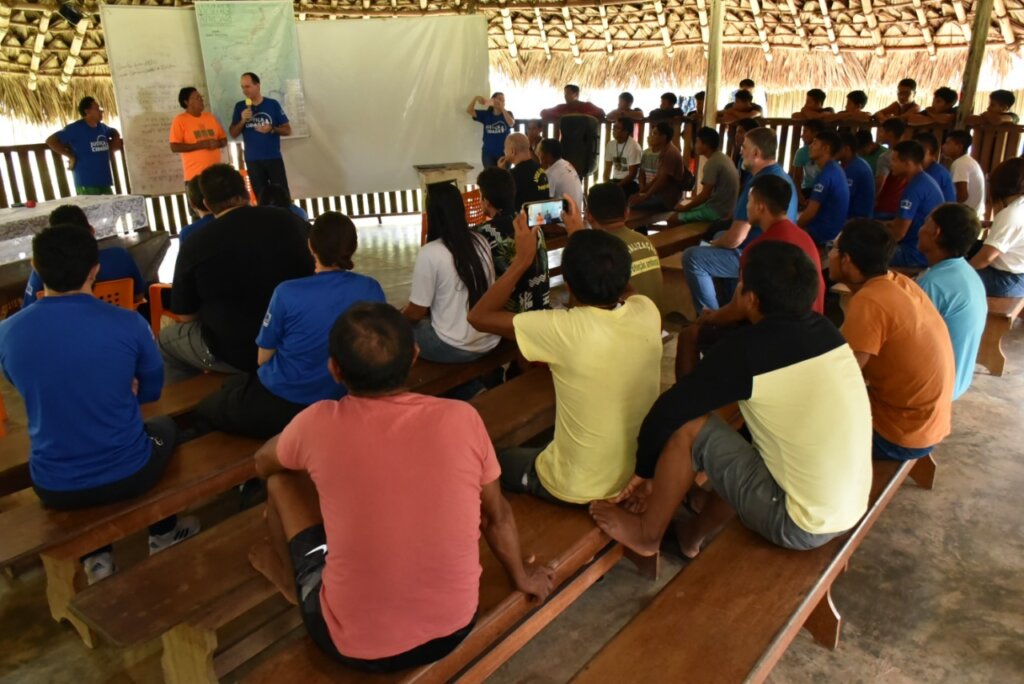
The success of this innovation relied on collaborations with local municipalities, indigenous communities, other justice system stakeholders, and service providers. Municipalities contributed staff and infrastructure, indigenous communities actively participated in program operations, and technological partnerships facilitated digital inclusion, enabling this holistic approach to justice.
Users, Stakeholders & Beneficiaries
The primary beneficiaries are the residents of Roraima, especially those in remote areas, indigenous, and migrant communities. The program ensures these groups have equal access to judicial services, significantly impacting their ability to exercise their rights and participate fully in society.
Innovation Reflections
Results, Outcomes & Impacts
Since its inception, the program has facilitated over 7,000 judicial services, achieved over 90% documentation of the Waimiri-Atroari population, and provided vital services to Venezuelan migrants. These outcomes have been measured through service delivery records, population documentation rates, and feedback from community members.
Challenges and Failures
Key challenges included training staff for quality service delivery, ensuring network security, and overcoming infrastructure and internet access limitations. These were addressed through continuous training, security enhancements, and innovative internet solutions like Starlink.
Conditions for Success
Success factors include robust partnerships, digital and physical infrastructure, committed leadership, and sustained funding. Community engagement and tailored communication strategies also played critical roles.
Replication
The program's model has significant replication potential, especially in regions facing similar challenges in access to justice. Its inclusive approach and digital integration serve as a blueprint for expanding judicial access in other areas.
Lessons Learned
Key lessons include the importance of local partnerships, the need for adaptive technology solutions, and the value of community-focused service design. Engaging directly with beneficiaries ensures services meet their needs effectively.
Anything Else?
The “Programa Justiça Cidadã” (Citizen Justice Program) not only advances access to justice but also strengthens community ties, fosters trust in the judicial system, and underscores the critical role of digital inclusion in modern governance.
Project Pitch
Supporting Videos
Status:
- Evaluation - understanding whether the innovative initiative has delivered what was needed
- Diffusing Lessons - using what was learnt to inform other projects and understanding how the innovation can be applied in other ways
Innovation provided by:

Media:
Files:
- PROGRAMA_JUSTICA_CIDADA__UIRAMUTA_
- SEI_N.____PROGRAMA_JUSTICA_CIDADA__IRACEMA_
- SEI_0019997_77.2021.8.23.8000
- Caroebe
- SEI_0010474_41.2021.8.23.8000
- SEI_0009920_72.2022.8.23.8000
- SEI_0009755_59.2021.8.23.8000
- NORMANDIA
- SEI_0005622_71.2021.8.23.8000
- SEI_0005622_71.2021.8.23.8000 (1)
- SEI_0002151_13.2022.8.23.8000__PTRIG_
- CASA DO CIDADÃO SEI_0003163_96.2021.8.23.8000
Date Published:
4 March 2026