
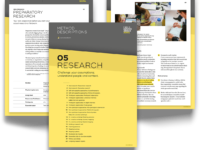
This resource is a method library containing 54 method descriptions for using the key methods in service design. These methods include instructions, guidelines, and-tips-and tricks for activities within research, ideation, prototyping, and facilitation. This collection only contains building blocks. It doesn’t detail how to assemble them into a cohesive design process or how to plan or manage it. The associated (paid) book and curriculum offers this context.
Good For: Scanning

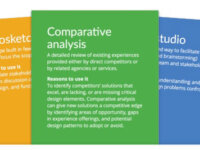
A collection of tools that describe how 18F digital service teams put human-centered design into practice. These cards are focused on design in the context of digital services, but can be adapted to non-technical design projects as well.
The resource is online and also available as printable cards.
The card set includes simplified information on various design methods according to an overall methodology: Discover, Decide, Make,Validate. There are also "Fundamentals" cards related to incentives,…
This guide is for people at 18F (a United States Federal Government technology transformation agency) who are wondering what to expect from a product manager on their team, as well as for product managers and those filling that role to understand what their team expects from them. This guide also serves as a resource for product management best practices at 18F. This guide could be used in other governments looking for product management guidance.
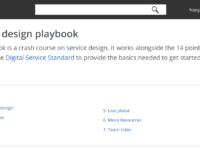
This playbook is an online crash course on service design. It works alongside the 14 points set out in the Digital Service Standard to provide the basics needed to get started on a digital service.
It covers: About service design, Discovery phase, Alpha phase, Beta phase, Live phase, and Team roles


Here you find a selection of the Danish Design Centre’s commonly used tools. It includes information about the methods, instructions for tool use, and printable materials.
The tools are divided in three categories that are used at different stages in the design process - and often in this order: Explore, Co-create, and Give the future concrete form.
Explore helps the participants to open up and get around all aspects of the issue. Co-create contains tools that help participants get in-depth…

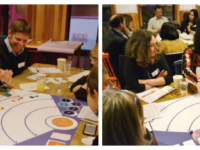
The Game of Life 2050 draws on scenarios for a sustainable European society in 2050. It is an interactive board game in which players consider four scenarios that describe the radical changes needed to be living within key environmental boundaries by 2050.
The game takes a minimum of 2 hours to run (ideally 4 hours) and involves 5-7 actors (each played by one person or in pairs) and one Games Master.
Play consists of three ‘rounds’ in which actors are given a set of circumstances that have…
The Hackers’ Kit supports different types of discussions around project and program design. It's aim is to normalise innovation in a large organization by embedding new practices in key project management business processes. Worked on and tested with over 25 project teams in the United Nations Development Programme, the toolkit is intended for an international development context but could be applied to any large organisation with a desire to innovate.
It includes a wall map of the process,…
The toolkit provides an approach and methods those looking for a new way to tackle social and policy issues by making services more valuable to customers and users, easier to use, with fewer resources wasted on implementing the right ideas in the wrong way (or on the wrong ideas entirely).
This approach involves spending time understanding people’s experiences and resources on their own terms, taking methodical steps to analyse and address these with their active participation, and pushing for…
The Shift Surrey guide provides an overview of Surrey's design approach to date, including a summary of projects and suggestions for building an internal community of practice inside government. At the end of the guide, there are several typical design tools, tips and tricks learned through Surrey's experience and suggestions for related design resources.
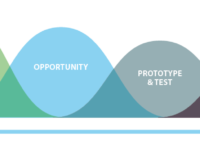
This resource describes a comprehensive method for the BC Public Service (BCPS) to design services for British Columbians, although it is also applicable to other governments.
The Playbook is intended to help ensure public service designers have the necessary tools and corporate support to make change.
It includes an overview of service design, a discussion of when and how to use it, as well as detailed guidance and tools for the various methods used in service design. The methods are organised…