

DemTools is a suite of free, open source software solutions developed by NDITech and distributed for supporting democracy building efforts around the world. The software includes contact management, issue tracking, crowdsourcing, election monitoring, open data, and petition development tools. These were built with the developing world in mind but can also be used in other contexts.
An associated DemTools Guide Book offers an overview of each of the suite of tools, including use cases, user…
Toolkit Format: Web-based resource
This is a collection of tools for an Open Government Partnership communications team, including the OGP's tips on blogging, branding, talking points, press guide, etc.
While this is specifically created for Open Government Partnership partners, it it can be adapted for other public sector initiatives, services, or programs.
Principles and guidance for developing digital services in Argentina and beyond. The resource is available in a Github repository and includes 9 principles, indicators, and standards for API's, website, mobile applications, and others.
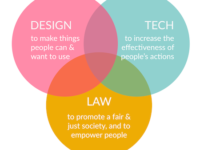
This is a set of resources for designers who are approaching legal challenges with a creative, generative, human-centered approach. The toolbox provides guides, tools, and examples to help you scope & tackle these challenges with design. It includes a Legal Communication Design Toolbox, a Legal Design Pattern Library, and a Legal Product Typology. It covers policy prototyping, visual design, and data visualisation.
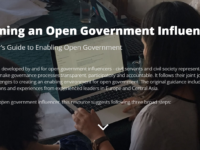
This resource is developed by and for open government influencers - civil servants and civil society representatives seeking to collaboratively make governance processes transparent, participatory and accountable. It is intended for those who want to be an open government influencer.
The original guidance includes recommendations and experiences from experienced leaders in Europe and Central Asia. It follows the publishers' joint journeys in navigating challenges to creating an enabling…
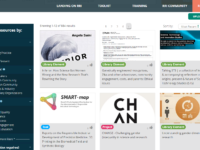
This online repository contains knowledge products, tools, inspiring practices, and projects to guide those interested in developing a research and innovation system that puts societal needs and desires at its center. The repository can be filtered by who it is useful for, topic, expertise required, related social challenge, category, and language.
The site also offers a self-reflection tool to assess your research and innovation practice on the basis of Ethics, Gender Equity, Governance, Open…
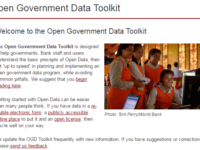
A collection of online guidance and knowledge to assist countries and others in setting up open data strategies and platforms.
The resource is comprised seven sections:
Open Data Essentials, Starting an Open Data Initiative,Technology Options, Demand & Engagement, Supply & Quality of Data, Readiness Assessment Tool, and Technical Assistance and Funding.

The Do-it-Yourself (DIY) Open Data Toolkit provides a step-by-step guidance on how to develop an open data initiative. The Toolkit is primarily intended for municipalities that have not yet begun an open data project and need some guidance on how to implement one. It can also be referenced by other governments or organizations who are considering initiating an open data initiative.
The toolkit includes: Open data orientation, Planning considerations, Publishing sample data sets, Adopting an open…

The Open Data Toolkit provides guidance intended for South Australia agencies and local councils release open data, although can be adapted to other contexts. It includes guidance on the following steps: Identify, Classify, Approach, Approve, Publish, Maintain.
It includes suggestions on governance decisions and roles as well as privacy, public value, and intellectual property guidance.