

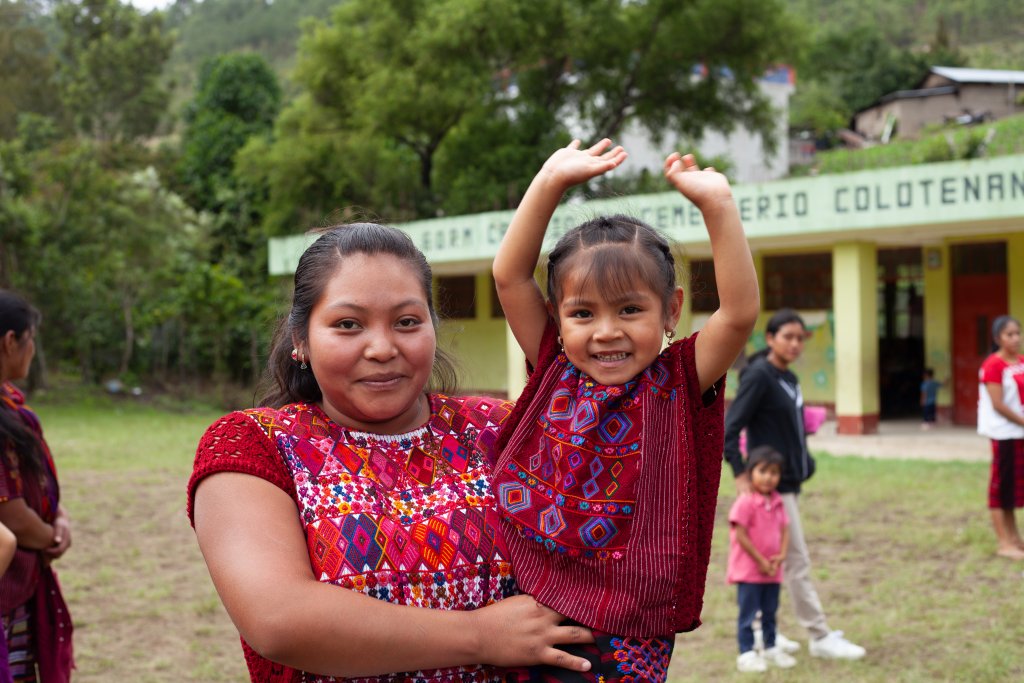
Guatemala's Mano a Mano transforms fragmented social policy into an integrated, data-driven system. By creating the Social Household Registry (RSH) and a coordination system, the innovation eliminates institutional silos, reduces clientelism, and enables real-time tracking of interventions across 11 institutions—resulting in more precise targeting of vulnerable households and measurable reductions in poverty and malnutrition through coordinated territorial interventions.
Innovation Summary
Innovation Overview
Guatemala confronts a dual crisis: persistent structural poverty affecting over 57% of the population and one of the world's highest chronic child malnutrition rates (46.5%). For decades, social programs operated as isolated interventions—different institutions targeting different beneficiaries with minimal coordination, creating administrative inefficiencies, coverage gaps, and unmeasurable impact.
The Traditional Challenge: Multiple ministries implemented parallel targeting systems, conducting separate household visits, maintaining duplicate databases, and often serving different family members with uncoordinated interventions. This fragmentation wasted public resources and limited the potential for synergistic poverty reduction.
The Mano a Mano Solution: Launched in 2024, Guatemala's Multidimensional Strategy "Mano a Mano" transforms social policy through three revolutionary components:
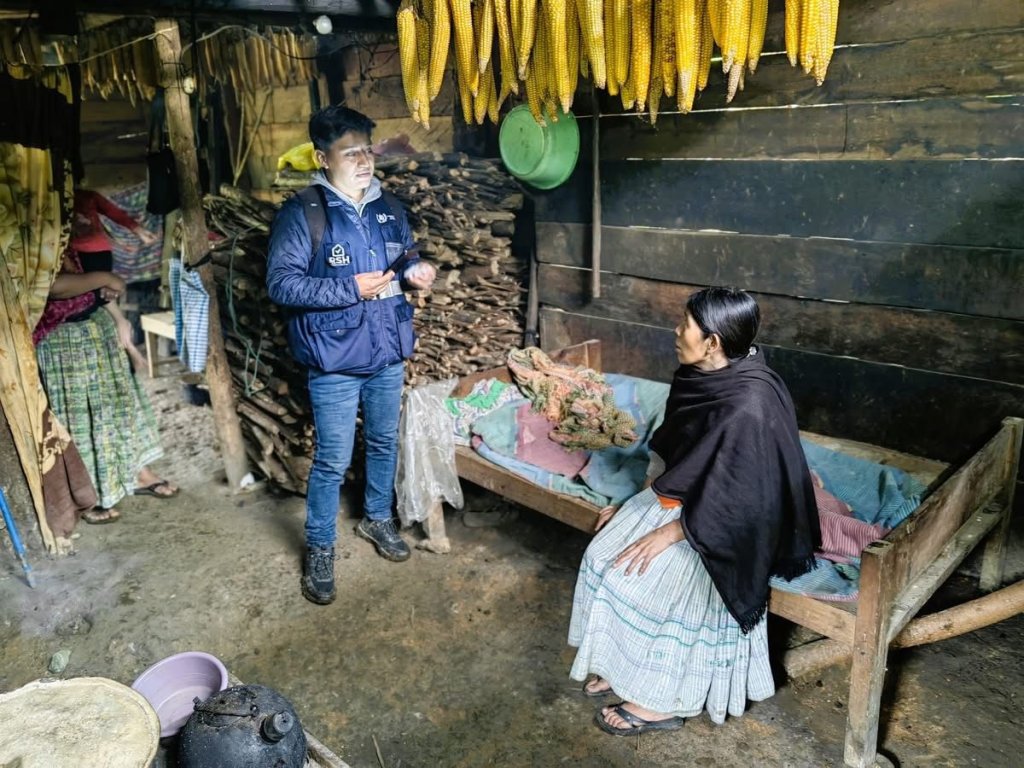
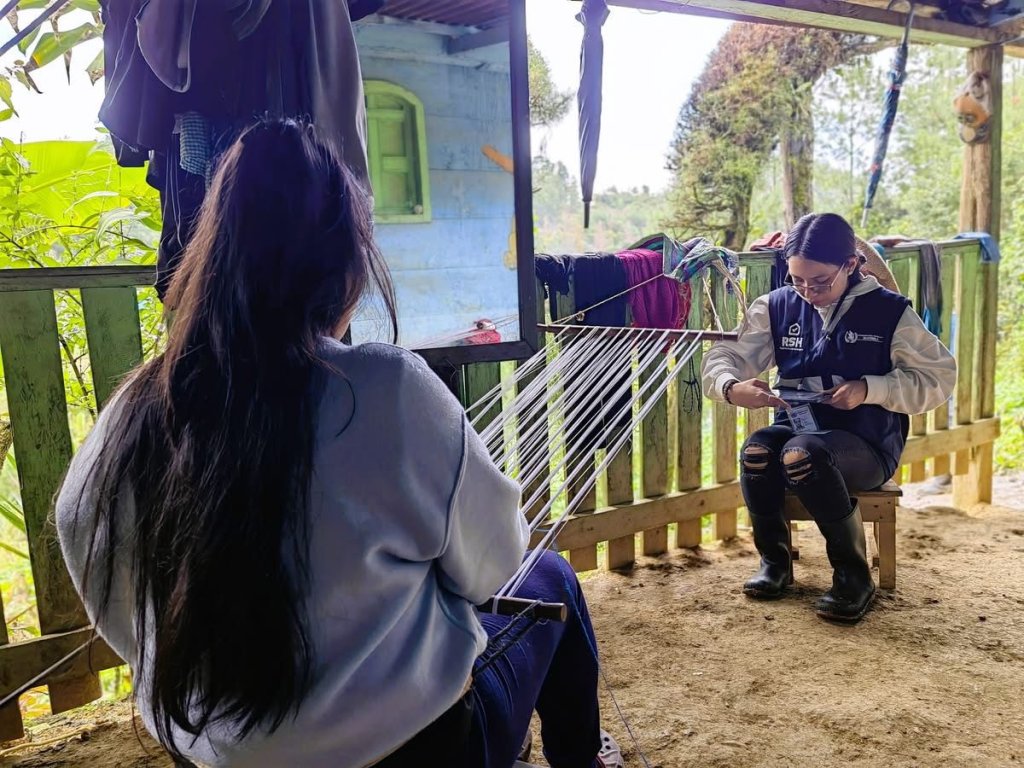
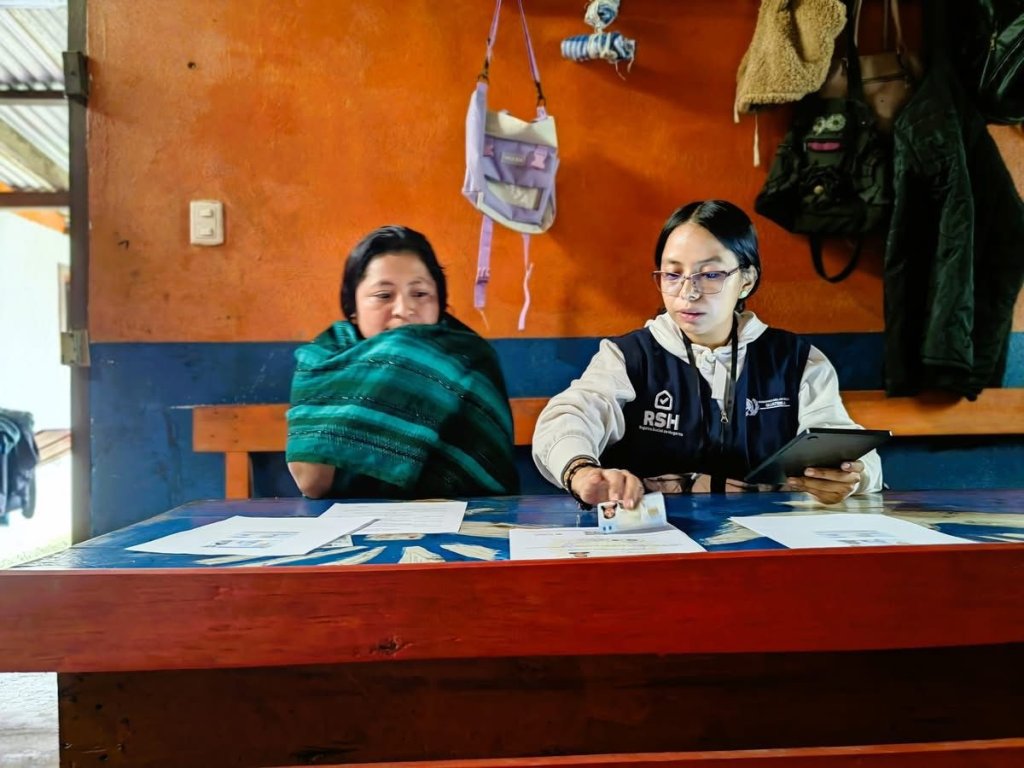
1. Unified Data Infrastructure: The Social Household Registry (RSH) centralizes socioeconomic data from more than 680,000 households (3 million individuals), creating Guatemala's largest integrated social database and eliminating duplicate targeting systems across institutions.
2. Digital Coordination Platform: The Mano a Mano Portal enables real-time planning, tracking, and monitoring of interventions across 9 ministries and 2 secretariats, replacing traditional paper-based coordination with transparent, measurable institutional commitments.
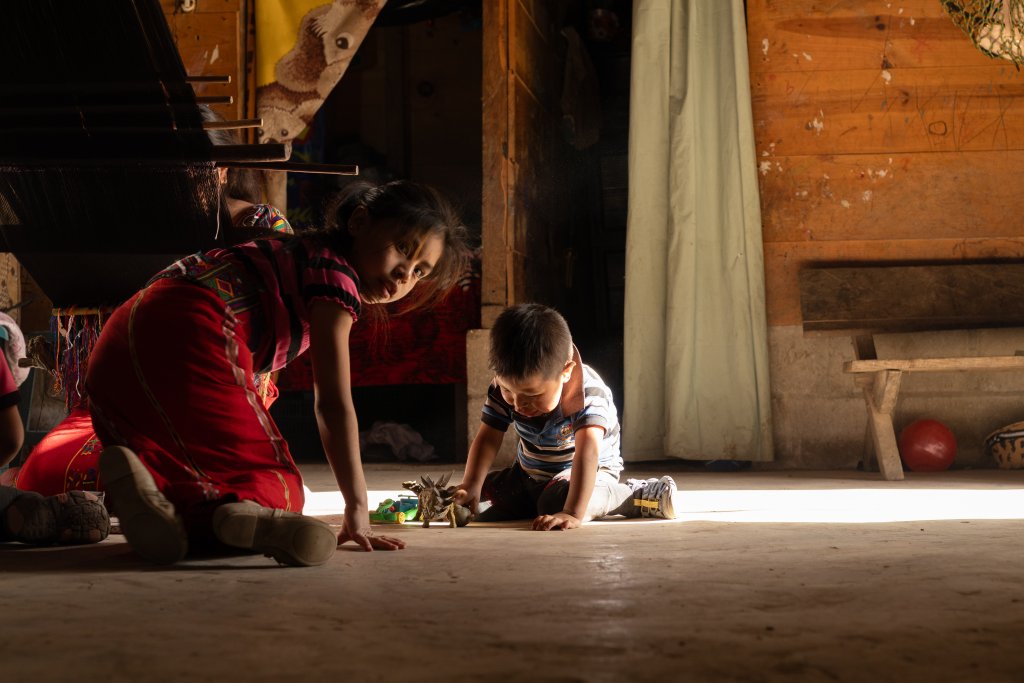
3. Territorial Integration: Rather than scattered individual programs, coordinated interventions (housing, replacement of dirt floors with concrete floors, sanitation, conditional cash transfers, training, agriculture, health, education) converge on the same households simultaneously, addressing multiple poverty dimensions through synergistic effects.
Strategic Implementation: Evidence-based targeting prioritized 114 of 340 municipalities using multidimensional poverty and malnutrition indicators, allowing phased expansion while concentrating resources where impact potential is greatest.
Governance Innovation: Presidential mandate designated MIDES and SESAN as lead coordinating institutions, creating multilevel governance mechanisms that integrate national institutions, local governments, and community actors in joint planning and monitoring processes.
Innovation Description
What Makes Your Project Innovative?
Mano a Mano is innovative because it moves beyond traditional coordination mechanisms to structurally transform how government operates, combining a unified Social Household Registry (RSH), a digital coordination platform, and a territorial, intersectoral delivery model. Unlike previous approaches based on fragmented programs and siloed data, it aligns multiple institutions around the same households using real-time information, enabling integrated service delivery and evidence-based decision-making at scale.
This innovation is unique in that it embeds coordination into digital systems rather than relying solely on institutional agreements, reducing discretion and administrative burden while increasing transparency and accountability. By linking data, planning, and monitoring in a single ecosystem, Mano a Mano transforms coordination from a bureaucratic challenge into a scalable, results-driven governance model.
What is the current status of your innovation?
Active deployment across 80 of 114 prioritized municipalities, spanning 14 of Guatemala's 22 departments. This represents the largest coordinated social intervention in Guatemala's democratic history.
RSH operational with 680,000 registered households representing 3 million individuals.
All participating ministries have integrated their programming cycles with the unified planning and goals monitoring system, representing a fundamental shift from autonomous to coordinated operations.
Innovation Development
Collaborations & Partnerships
Mano a Mano brings together 11 national institutions led by MIDES and SESAN, enabling coordinated implementation across sectors. Academic partners such as Universidad del Valle de Guatemala and Abdul Latif Jameel Poverty Action Lab provide independent evaluation, while international partners including United Nations Development Programme, UNICEF, World Bank, and Pan American Health Organization contribute technical assistance, capacity building, and financing for digital systems.
Users, Stakeholders & Beneficiaries
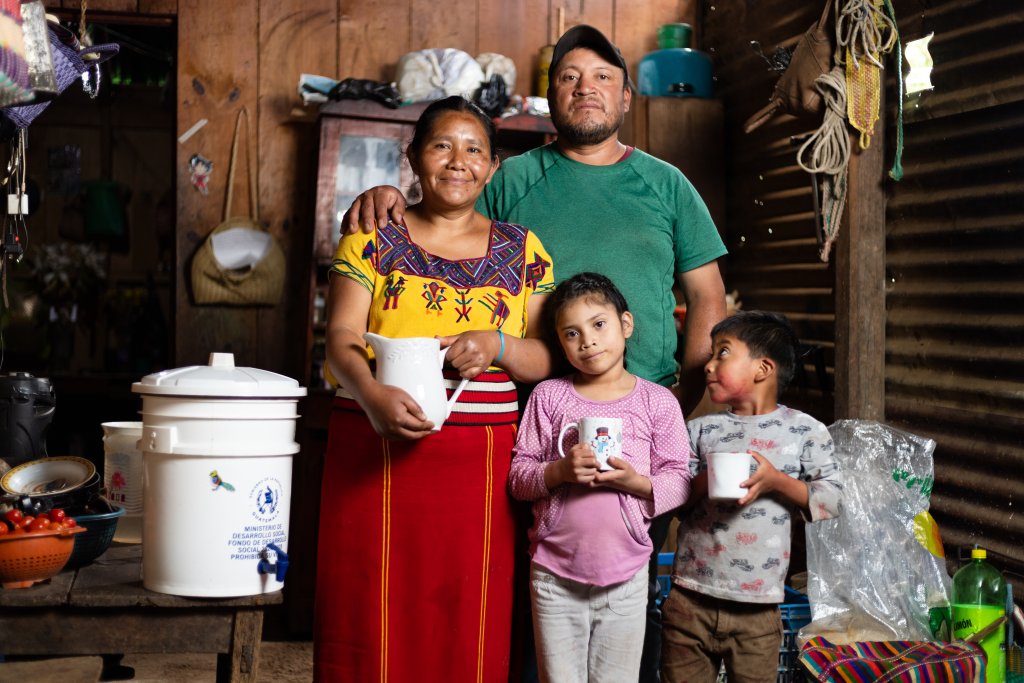
Approximately 1 million individuals living in multidimensional poverty across prioritized municipalities, with particular focus on households with children under five years experiencing malnutrition risk.
National ministries utilizing shared data systems for improved targeting, planning, and coordination, plus 80 municipal governments participating in territorial planning mechanisms.
Local organizations, community leaders, through multilevel governance structures.
Innovation Reflections
Results, Outcomes & Impacts
Mano a Mano aims to reduce multidimensional poverty and child malnutrition, targeting a 4 percentage point reduction in the Multidimensional Poverty Index and a 10% decrease in chronic child malnutrition between 2024 and 2028. Early results show reduced targeting errors through the RSH, and decreased duplication across institutions. Effectiveness has improved through real-time planning and monitoring via the digital Portal. Integrated interventions have contributed to reduced childhood illness and improved living conditions. Results are measured through administrative data, platform indicators, and ongoing independent studies (UVG/JPAL) and future impact evaluations.
Challenges and Failures
Mano a Mano has faced several challenges, particularly in coordinating multiple institutions with different mandates, data systems, and operational capacities. Initial resistance to data sharing and the transition to using the RSH has slowed implementation, while gaps in digital infrastructure and technical capacity limited its early adoption. In some cases, delays in data updates and institutional reporting affected the timeliness of monitoring. These challenges have been addressed through high-level political leadership, the establishment of clear governance mechanisms, continuous capacity-building, and iterative improvements to digital tools and processes, strengthening coordination and system reliability over time.
Conditions for Success
Presidential leadership has been critical, as a direct mandate from Bernardo Arévalo designated MIDES and SESAN as lead institutions, enabling the strategy to overcome institutional resistance and bureaucratic inertia. Strong investment in digital infrastructure, including the RSH and Mano a Mano Portal, supported large-scale coordination. Partnerships with Universidad del Valle de Guatemala and Abdul Latif Jameel Poverty Action Lab is ensuring rigorous analysis and continuous improvement, while international partners are providing key technical and financial support. Multilevel governance mechanisms further strengthened community ownership and accountability.
Lessons Learned
Data integration transforms governance by using unified registries to break institutional silos, enabling structural change beyond traditional coordination. A phased implementation has been key to test tools, build institutional capacity, and scale effectively. Digital infrastructure, including real-time monitoring platforms, makes complex multi-institutional coordination feasible at scale, turning it into a strategic advantage. A territorial approach amplifies impact by concentrating interventions geographically, generating synergies that maximize public investment efficiency. Strong political leadership has been essential to overcome bureaucratic barriers, while community participation enhances relevance, ownership, and accountability.
Anything Else?
Mano a Mano represents a paradigm shift from fragmented social programs to integrated digital governance, demonstrating how developing countries can leverage technology to achieve coordination and efficiency levels. This innovation provides a replicable model for governments worldwide seeking to transform social policy through data-driven, citizen-centered approaches that deliver measurable poverty reduction outcomes while strengthening democratic governance and public transparency.
The strategy's success illustrates that digital transformation in government requires not just technological solutions, but fundamental changes in institutional culture, political leadership, and community engagement.
Supporting Videos
Status:
- Implementation - making the innovation happen
Innovation provided by:

Media:

Date Published:
29 September 2026