

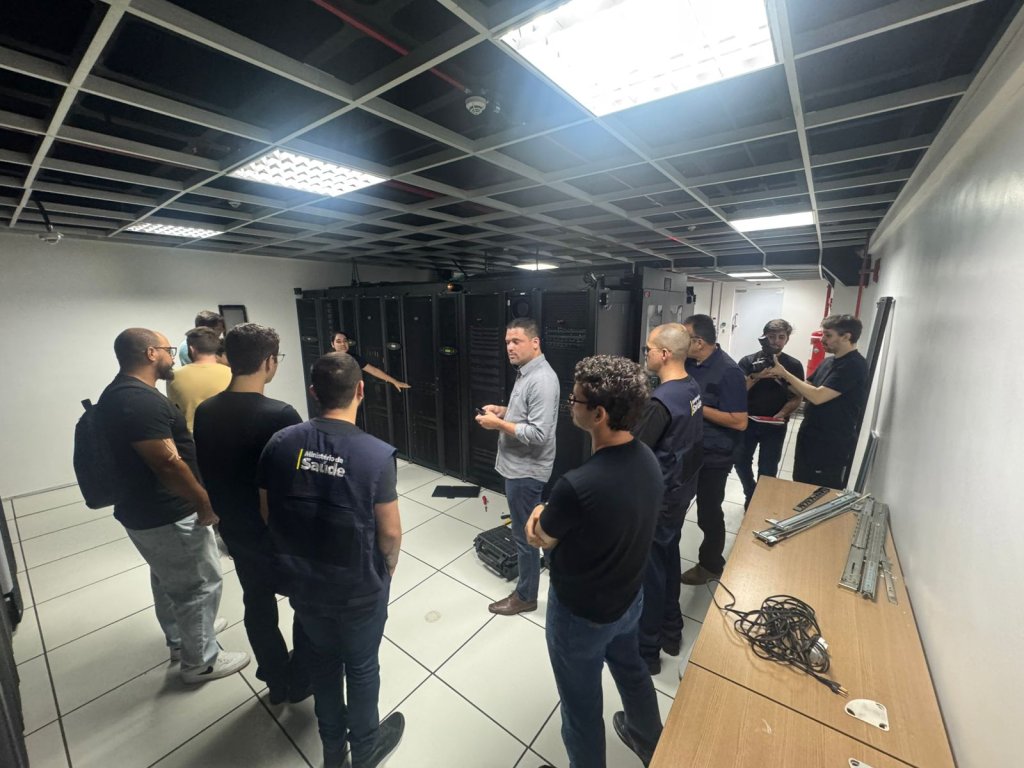
AI tool integrated into the national OuvidorSUS platform developed by the General Ombudsman’s Office of the Brazilian Ministry of Health is innovation meant to enhance the Public Health System’s responsiveness to citizens. Platform which - used by more than 2k health ombudsman offices - is enhanced by artificial intelligence to organize and analyse citizens’ submissions and optimize workflows. This allows staff to focus on meaningful human engagement while enabling decision-makers to access real-time, actionable insights.
Innovation Summary
Innovation Overview
This innovation was created to address major challenges in the relationship between the public health system and citizens: the rapid growth in citizen submissions, fragmented digital service channels, and the limited capacity to transform large volumes of unstructured data into timely responses and strategic intelligence. These constraints affect the quality, consistency, and speed of responses to the public, while also limiting the State’s ability to use citizen feedback to improve health governance.
To respond to this challenge, an artificial intelligence layer was embedded into the national OuvidorSUS platform, which is used by more than 2,000 health ombudsman offices across Brazil. The solution was structured around two complementary pillars. The first supports requests submitted under Brazil’s Access to Information Law (Lei de Acesso à Informação – LAI), automating key stages such as intake, classification, identification of repeated or similar requests, and the generation of suggested draft responses. The second focuses on advanced analytics, extracting structured information and sentiment from large volumes of free-text complaints, suggestions, and reports.
This approach allows the public sector not only to process demands more efficiently, but also to convert citizen input into real-time, actionable insights for decision-making.
The innovation generates direct benefits for multiple stakeholders. Citizens receive faster and clearer responses. Ombudsman teams can reduce time spent on repetitive administrative tasks and focus more on meaningful human interaction. Public managers gain access to dashboards and reports that support evidence-informed decisions and more responsive governance.
Its relevance also lies in its scale and institutional potential. Rather than operating as a stand-alone pilot, the solution is designed to become part of the core digital infrastructure of one of the world’s largest public health systems. Its technological readiness has already been demonstrated in real operational contexts, and its architecture is aligned with national data standards and interoperability requirements, enabling expansion across SUS ombudsman units and future integration with other federal systems.
By combining artificial intelligence, public accountability, and citizen participation, this initiative offers a new model for how governments can listen, respond, and learn at scale.
Innovation Description
What Makes Your Project Innovative?
It is innovative because it goes far beyond digitising an existing public service: it redefines how government can listen, respond, and learn from citizens at scale. By embedding artificial intelligence into the national OuvidorSUS platform, it transforms ombudsman operations from a reactive administrative function into a proactive system that speeds up responses, improves workflows, and generates real-time public health intelligence.
What makes it especially distinctive is the combination of service delivery and strategic intelligence in one integrated solution. While most public-sector initiatives focus either on automating tasks or on isolated data analysis, this innovation does both within the daily operation of one of the world’s largest public health systems. It improves the citizen experience while turning everyday feedback into actionable evidence for better decisions, transparency, and system-wide improvement.
What is the current status of your innovation?
The innovation is currently in an active implementation phase, with the software under development and being rigorously tested to ensure robustness, usability, and readiness for scale. This stage is focused on refining key functionalities, validating performance in real operational environments, and preparing the solution for large-scale deployment across the health ombudsman network over the next 18 months.
Innovation Development
Collaborations & Partnerships
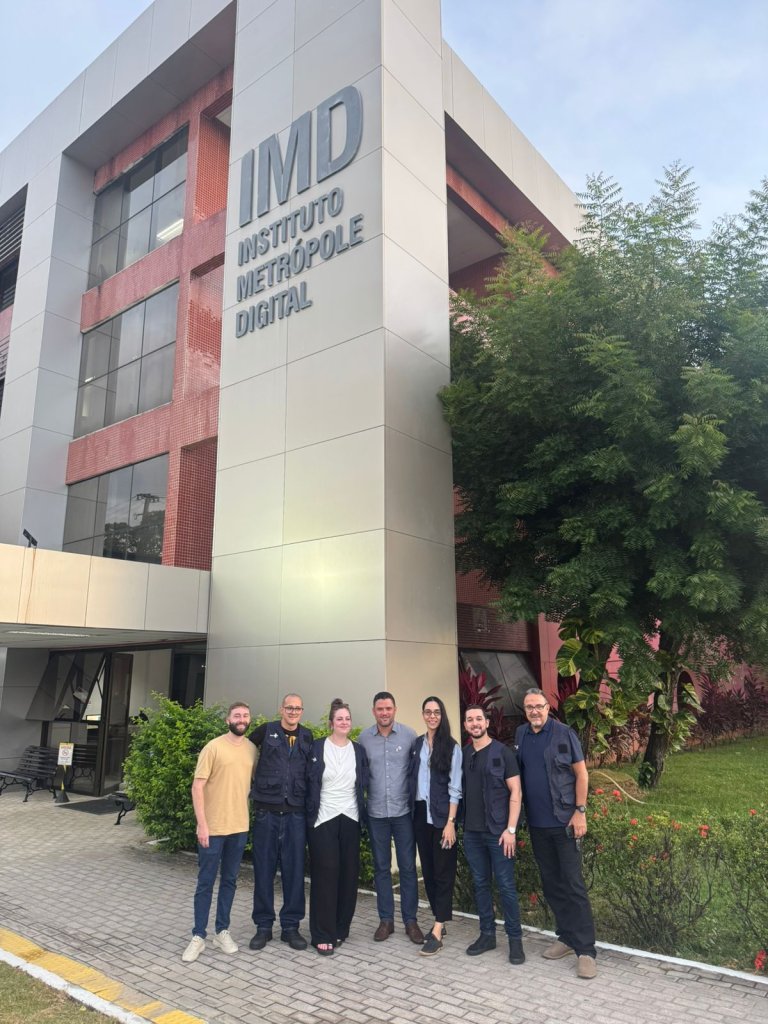
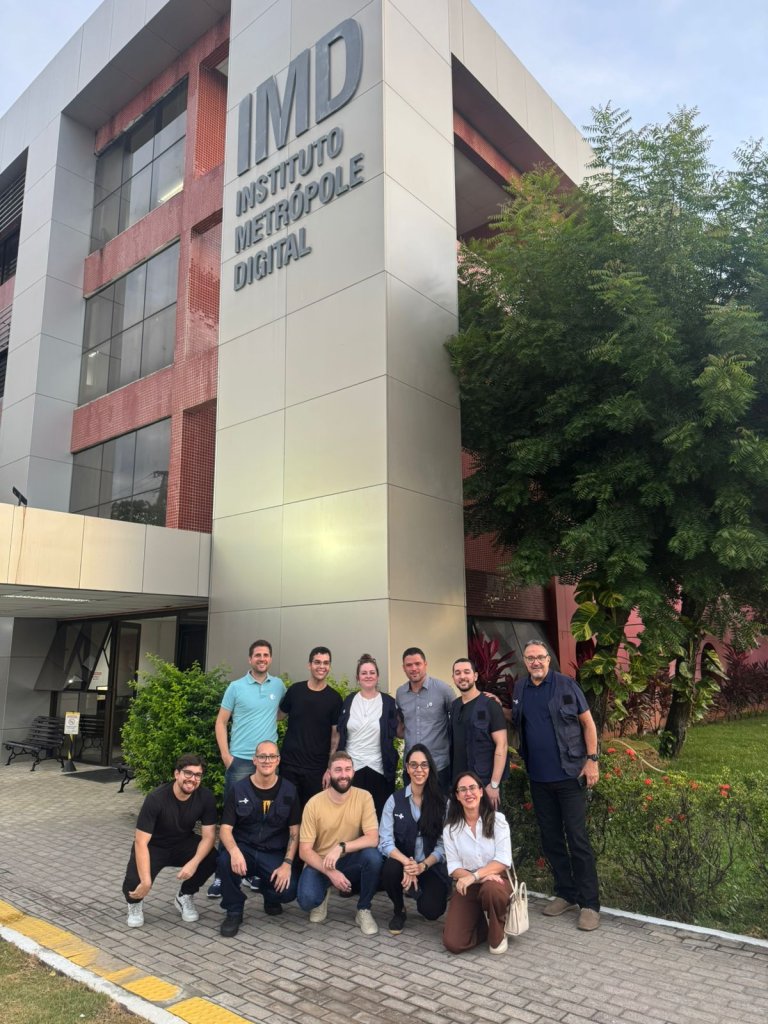
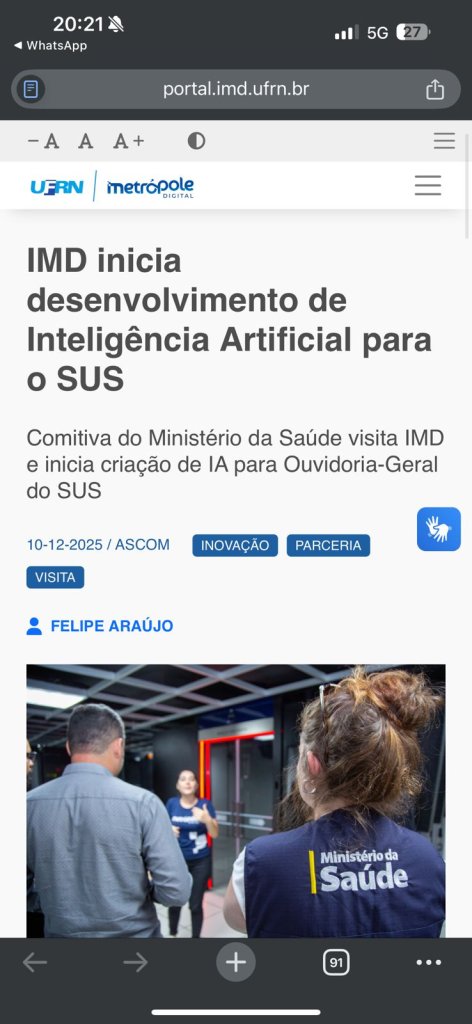
A strategic partnership with the Federal University of Rio Grande do Norte (UFRN), a leading Brazilian federal university recognised for its strong innovation ecosystem, has been fundamental to the project. Its involvement brings high-level academic excellence, technical expertise, and research capacity to the development and testing of the solution. This collaboration strengthens the innovation’s credibility, methodological rigor, and scalability.
Users, Stakeholders & Beneficiaries
It benefits multiple groups. Citizens receive faster, clearer, and more consistent responses to their requests and complaints. Ombudsman staff benefit from reduced administrative burden and can focus more on meaningful human interaction. Health managers and government officials gain real-time insights, dashboards, and trend analysis to support better decision-making. More broadly, the public health system benefits from greater transparency, responsiveness, and evidence-informed governance.
Innovation Reflections
Results, Outcomes & Impacts
The intended impact is to make the public health ombudsman system faster, more consistent, and more strategic, while also strengthening the SUS platform as a whole, since the ombudsman service is a key bridge between citizens and health management. By improving how citizen feedback is processed and analysed, the innovation helps transform individual demands into insights that can guide better policies, services, and decision-making across the system. As the project is still in implementation, results so far are preliminary and measured through technical testing, workflow analysis, and performance assessments of AI-supported features.
Challenges and Failures
A key challenge has been developing an AI-based solution that is both technically robust and fully aligned with the complexity, scale, and accountability requirements of a nationwide public health system. This includes ensuring data quality, adapting the tool to diverse ombudsman workflows, and building trust in the use of AI within public administration. As with many innovations of this scale, there have been adjustments and iterative refinements throughout development rather than major failures. These challenges have been addressed through continuous testing, close collaboration between technical and public-sector teams, and a phased implementation approach focused on reliability, usability, and institutional readiness for scale.
Conditions for Success
Several conditions have been critical to the success of this innovation. Strong institutional leadership from the General Ombudsman’s Office of the Ministry of Health ensured strategic direction and alignment with public-sector priorities. An extensive research phase led by InovaLab at the start of the project was also essential, helping identify key challenges, map opportunities, and build a strong evidence base for the solution’s design. The national OuvidorSUS platform provided the digital infrastructure for development and scaling. Collaboration with UFRN added high-level technical and research expertise. Commitment of multidisciplinary teams and a shared motivation was equally important to improve public services.
Lessons Learned
One of the main lessons learned is that innovation in the public sector requires much more than new technology; it depends on deep understanding of institutional routines, user needs, and public accountability requirements. The initial research phase was essential to identify real operational bottlenecks and design a solution grounded in evidence rather than in assumptions.
Another key lesson is that introducing AI into government services works best through iterative development, close collaboration between public institutions and academic partners, and continuous testing in real contexts. Building trust, usability, and alignment with public-service values is just as important as technical performance for sustainable adoption and scale.
Anything Else?
This innovation is especially relevant because it demonstrates how artificial intelligence can be applied in government in a responsible, practical, and citizen-centred way. Rather than replacing human interaction, it strengthens the capacity of public servants to respond with greater speed, consistency, and quality. Its long-term value lies not only in improving ombudsman services, but in reinforcing the role of citizen feedback as a strategic asset for strengthening SUS governance, transparency, and trust between institutions and society.
Status:
- Implementation - making the innovation happen
Innovation provided by:

Media:
Date Published:
29 September 2026