
This resource provides users with essential principles to ensure inclusivity when building a digital participation platform. The guide puts forward rules on how to communicate inclusively, guidelines on how to build an inclusive questionnaire, tips on how to combine offline and online participation and ensure representation, practical measures to build adaptable digital solutions and real-life examples for inspiration. It includes guidance and tips on how to identify groups at risk of exclusion,…
Level: Intermediate
Participatory budgeting is a community engagement method for governments looking to make their communities more inclusive and participatory. This guide provides key steps for developing a defined, efficient and effective participatory budgeting process, real-life examples and best practices and an interactive worksheet to get you started. By organizing a participatory budget, public officials can tap directly into the collective intelligence of their communities and align the allocation of…
This guide will teaches the basics of setting up a communications plan for your community engagement efforts. The guide covers how to set up a communication plan across three engagement project phases (launch, in-progress, and report-out phase) and walks through the core, strategic steps needed. Each section includes checklists and practical tips. It draws on best practices and lessons learned from CitizenLab's collaboration with 400+ local governments worldwide. This resource is distributed via…

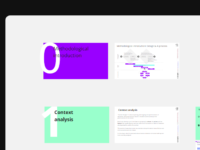
The AI4GOV Toolkit is aimed at fostering a human-centered and systemic perspective towards the development of public services that integrate artificial intelligence in a meaningful way. The toolkit offers a methodology and specific tools for the application of AI in real public sector projects aimed at solving societal needs, considering technology not as an end but as a means for reaching wider strategic objectives. The tools within this toolkit span throughout four main phases of the design…

The toolbox for designing digital services is intended to help public service owners, managers and other interested parties understand the design process and includes tools to make the process smooth. The process is described both in Estonian and English but tools are only in Estonian, which can be machine translated. The resource includes guidance on preparation and building a service team, understanding and choosing a focus, problem identification and solving, testing solutions, development of…
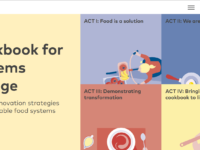
This cookbook of strategies for change is about the role that a strong public innovation system plays along the pathways towards sustainable food systems.
The publishers demonstrate this through a mission approach for deliberate food system transformation that can support people, planet and society. This strategy cookbook includes templates for developing interventions, guides for how to get started and examples of cross-cutting projects – that can be used to create recipes for change. The…

This toolkit is designed to help governments implement the OECD Recommendation on Digital Government Strategies. By comparing good practices across OECD countries, this site guides decision-makers in using digital technologies to encourage innovation, transparency and efficiency in the public sector.
The toolkit is composed of 12 principles to support the development and implementation of digital government strategies that bring governments closer to citizens and businesses, good practices and…
The Office of the High Commissioner for Human Rights (OHCHR) created the "Share, Learn, Innovate!" toolkit to present methods, tools and technologies to enhance knowledge sharing.
The toolkit acknowledges multiple experiences and perspectives and aims to be a catalyst for action. It collects the explicit knowledge of the organization, making it accessible, while simultaneously connecting tacit knowledge that is not codified but grounded in the experiences of practitioners.
The Share, learn,…
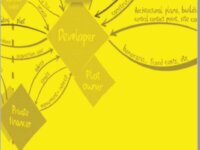
Translating global sustainable development goals into concrete actions for systemic change remains one of the greatest challenges of our times, requiring changes in the structures of the sociotechnical systems that define our world. Value Network Mapping helps in getting a grip on the structure of these sub-systems and enables users to identify together intervention points that make sustainability transitions happen. The method helps users co-create such changes, while balancing individual needs…
The Danish Design Center created the Ecosystem Mapping tool to help users get an overview of their project stakeholders and potential participants and analyse the motivations, resources and capabilities, that will become valuable for the overall ecosystem.
Through its application, users can map all actors (partners, collaborators, contractors, external stakeholders, etc.) in a given ecosystem in order to accomplish its mission. The tool provides users with "Question Cards" to confirm identified…