User Type: Manager
This is a report produced in conjunction with IDEO after a 2-year initiative of the Rockefeller Foundation called Paper Prototyping, an effort to better inform investment decisions of the Foundation. While this resource is not a typical innovation toolkit, it was included because it describes an often implicit and invisible process of developing and testing proposals for innovative solutions to complex problems.
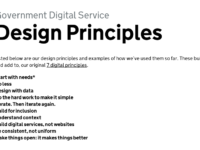
The United Kingdom government's design principles and examples of how they have been used. Each principle includes links to articles with additional explanation and reflections.
1. Start with user needs
2. Do less
3. Design with data
4. Do the hard work to make it simple
5. Iterate. Then iterate again
6. This is for everyone
7. Understand context
8. Build digital services, not websites
9. Be consistent, not uniform
10. Make things open: it makes things better
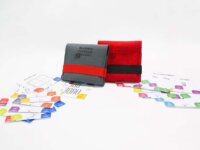
Kickbox is an innovation process that Adobe developed for its own use and then open-sourced so everyone can use it. It is both a process for individuals and a system for deploying that process across an organization at scale. It’s designed to increase innovator effectiveness, accelerate innovation velocity, and measurably improve innovation outcomes. It can also optimize innovation investments by reducing costs compared to traditional approaches. Adobe distributed 1000 physical boxes…
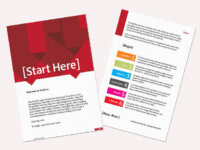
A collection of cards describing methods for planning and executing design research, ideation, experimentation and creation within short iterations (sprints). They split the methods into tasks that follow SCREAM; a methodology which is a modified version of SCRUM, tailored to fit within the publisher's design process.
The card fronts contain basic information, such as activity type, category, and duration. The backs contain basic overviews of the methods and how-to instructions. These are…
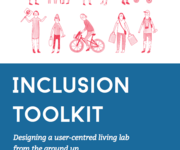
The toolkit includes 5 methods for designing a more inclusive lab. The toolkit begins by guiding users through basic user observation, identification, and categorization processes (observation, interviews,
and personas). It then moves into problem definition and stakeholder prioritization, and finally defines a concrete suggestion for increased
diverse stakeholder governance. It includes templates and examples for each method.
This Field Guide is a systems take on typical design thinking methodology. It demonstrates how to design something with a greater emphasis on creativity and humour. The Guide goes through a systemic design project from concept to implementation. It takes you through the workshop planning process, and discusses workshop roles and client relations. In the FAQs, you’ll find explanations to some commonly asked questions about systemic design concepts to help you introduce others to SD and bring…
This Field Guide is designed to support new-to-foresight practitioners in incorporating future thinking and foresight into everyday projects. In addition to describing methods (including purpose, pros, cons and considerations for each), it also provides guidance on how to advocate for a foresight related project or approach in your organistion, cultivate a futures/foresight mindset, and build a team.
The ""zombies" referenced represent an unexpected and unlikely event for humanity. Stories about…
This is a report from the Workshop ‘How might we approach transformational change for complex challenges in the future?’, held in London 30-31 August 2017. It provides 18 insights and considerations for playing the enabler, catalyst, and convenor roles in creating a mindset of long-termism.
A collection of code, tools, and case studies to help United States federal agencies adopt the Open Data Policy and unlock the potential of government data.
This project is meant to be a living document, so that collaboration in the open data ecosystem is fostered, and the continual update of technology pieces that affect update can happen at a more rapid pace. Edits to the content may be made by anyone.
It could provide other governments with examples and starter content for its own open data…
This resource offers on ways to do things differently by introducing basic guidance on the process of design thinking. It provides guidance on how to introduce this new approach into day-to-day work in the public sector. It was developed for both policymakers and people who design and deliver public services who need to make large changes in how they serve their citizens.
It includes guidance on creating an environment set up to do design work as well as an overview of some of the most commonly…