User Type: Practitioner
This resource contains a framework and guidance regarding the use of user-centred design. The publisher defines the UCD process in six phases - two planning and four delivery phases. The two planning phases focus on typical project planning aspects such as problem space, resources, agency readiness, team logistics, governance, etc. The four delivery phases are about action, talking to users to understand their real needs, prototyping potential solutions, and building the minimum viable product…
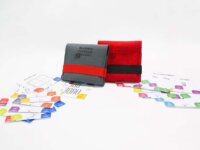
Kickbox is an innovation process that Adobe developed for its own use and then open-sourced so everyone can use it. It is both a process for individuals and a system for deploying that process across an organization at scale. It’s designed to increase innovator effectiveness, accelerate innovation velocity, and measurably improve innovation outcomes. It can also optimize innovation investments by reducing costs compared to traditional approaches. Adobe distributed 1000 physical boxes…
A collection of cards describing methods for planning and executing design research, ideation, experimentation and creation within short iterations (sprints). They split the methods into tasks that follow SCREAM; a methodology which is a modified version of SCRUM, tailored to fit within the publisher's design process.
The card fronts contain basic information, such as activity type, category, and duration. The backs contain basic overviews of the methods and how-to instructions. These are…
An introduction to service design for public servants, and a set of practical ways to include design methods in your work. This resource was developed for the City of New York but is relevant to other cities, governments, and innovation labs as well.
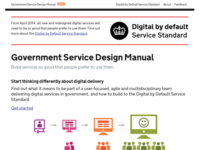
This resource is intended to support United Kingdom government teams create and run digital services according to their Digital Service Standard. It covers Accessibility and assisted digital, Agile delivery, Design, Measuring success, Service assessments and getting on GOV.UK, Technology, The team, and User research.
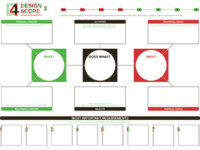
This resource includes a variety of tools and techniques, enabling government entities to develop initiatives and come up with innovative solutions to enhance the efficiency of the government sector, and improve the services provided by the government to individuals and entities.
The Design Kit resource is both a downloadable PDF as well as online guidance on the different phases of a human-centered design process, organised by Mindsets, Methods (Inspiration, Ideation, Implementation), and Tools. The PDF is only downloadable from the website after creating a user account at IDEO. Website includes instructional videos on the techniques of various user-centered design methods and techniques.
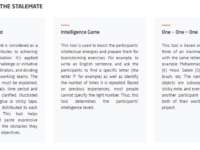
A series of 16 individual templates for different service design methods and techniques, plus posters with a guiding methodology for use in your own workshops. The posters do not include much step-by-step guidance so these are best used by people who have used these methods and techniques previously. The publisher's website also includes some case studies. Available in English and Dutch.
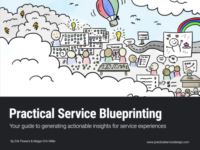
Guide to service blueprinting. The reader analyses their own interaction with service users. Through the tools of personas, scenarios, and the decomposition of a scenario into a blueprint of its elements, the reader can understand and improve their services from a Human-Centred design person
The publishers describe the PD concept as: based on the observation that in every community or organization, there are a few individuals or groups whose uncommon but successful behaviors and strategies have enabled them to find better solutions to problems than their neighbors who face the same challenges and barriers and have access to same resources.
This resource orients newcomers to the Positive Deviance (PD) approach and provide the essential tools to get started. It includes a brief…