


Latvia's public administration struggles with complex challenges due to siloed operations and a deep fear of failure. Rather than structural reforms alone, Latvia is pioneering cultural shift through Humble Governance framework by Demos Helsinki with Prof. Charles Sabel (Columbia Law School) prioritising trust, shared responsibility, and courage under uncertainty. Cross-ministerial teams tackle real challenges through experimentation, shifting from a zero-mistake culture to iterative learning.
Innovation Summary
Innovation Overview
Latvia's public administration, rooted in hierarchical, rule-based governance, provides stability but struggles with complex, cross-cutting challenges such as digital transformation, demographic shifts, and geopolitical uncertainty. As OECD evidence highlights, siloed operations, limited innovation capacity, and a deep culture of risk aversion hinder systemic adaptability. The primary barrier is not technical skill but a cultural 'fear of failure' preventing leaders from experimenting with new solutions.
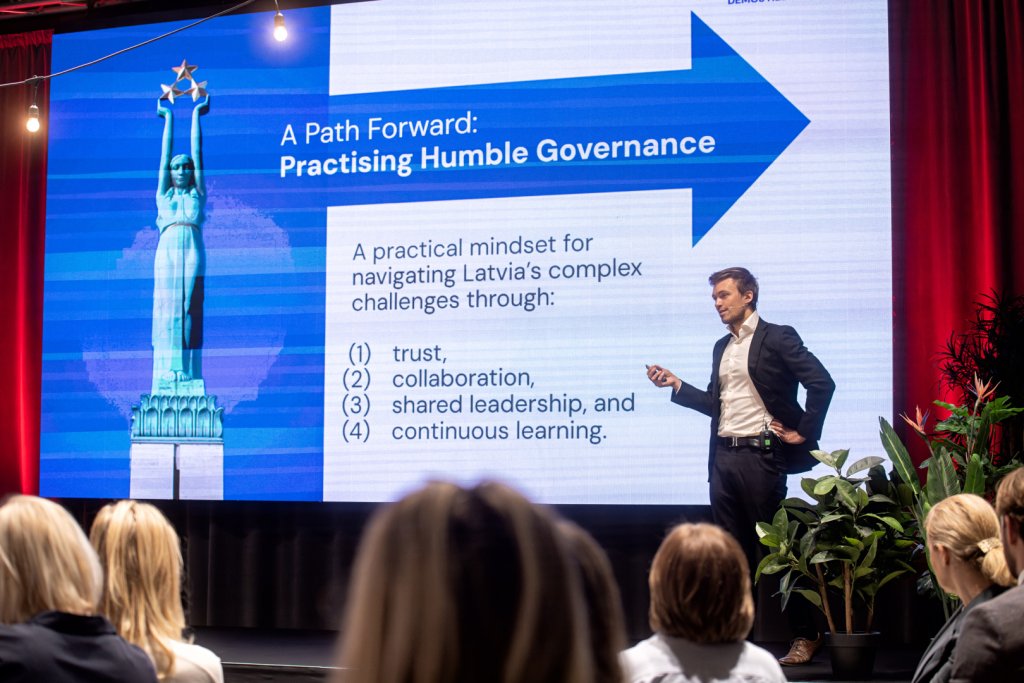
In response, Latvia is pioneering a fundamental cultural shift. Partnering with Demos Helsinki, the Latvian School of Public Administration (VAS) guides senior civil servants through a structured learning pathway centred on Humble Governance, an award-winning framework (Creative Bureaucracy Festival Award, 2021) developed with Prof. Charles Sabel of Columbia Law School, grounded in experimentalist governance theory and validated through the Finnish Prime Minister's Office. It prioritises trust, shared responsibility, continuous learning, and the courage to act under uncertainty.
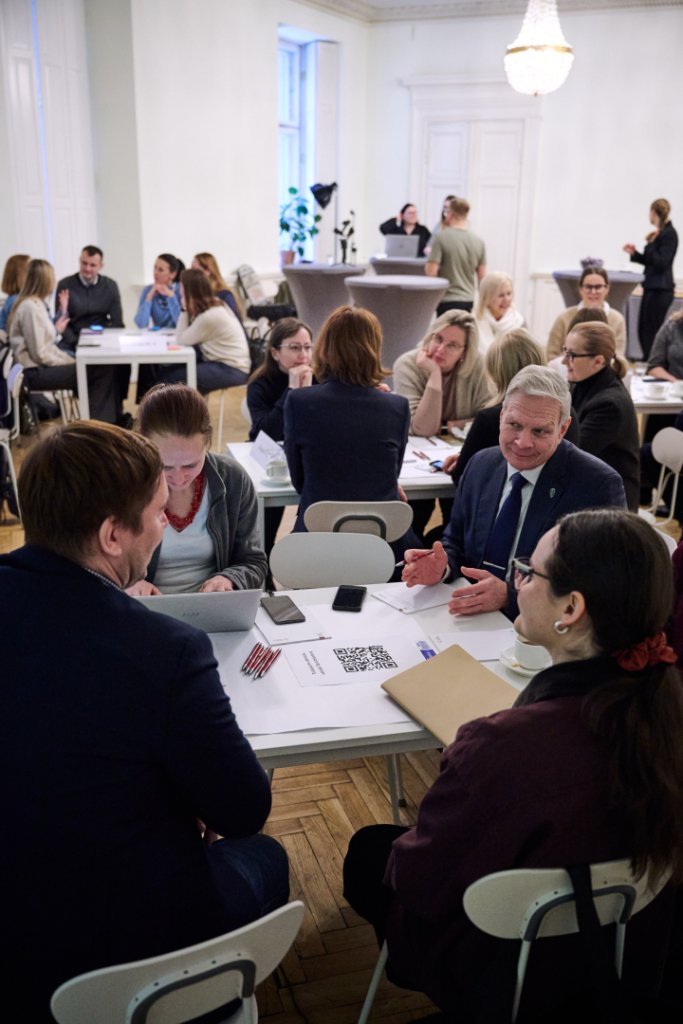
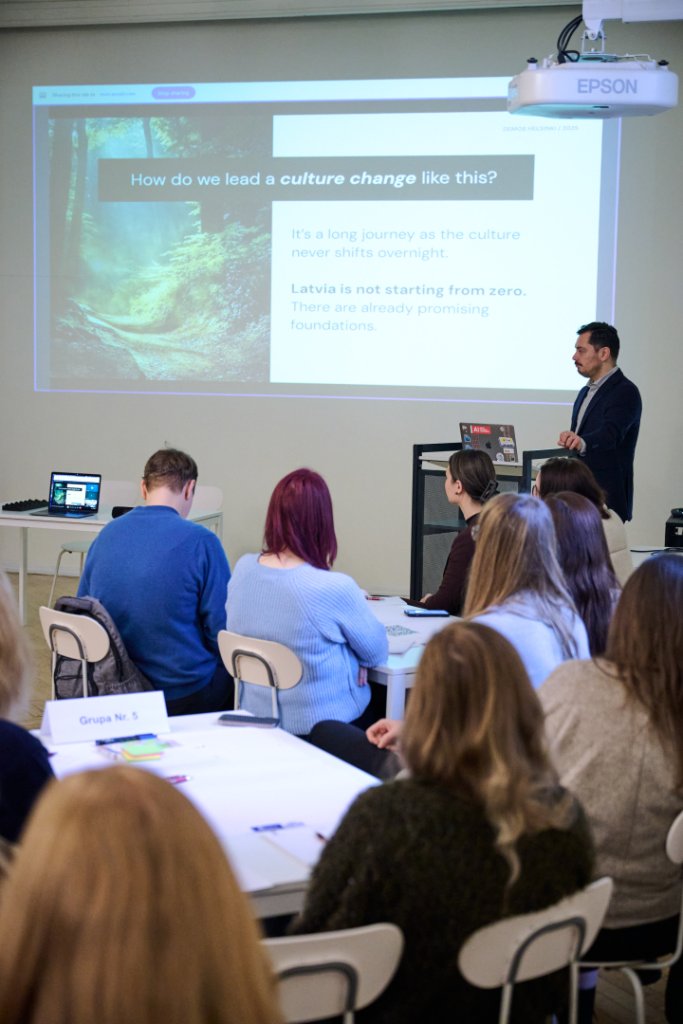
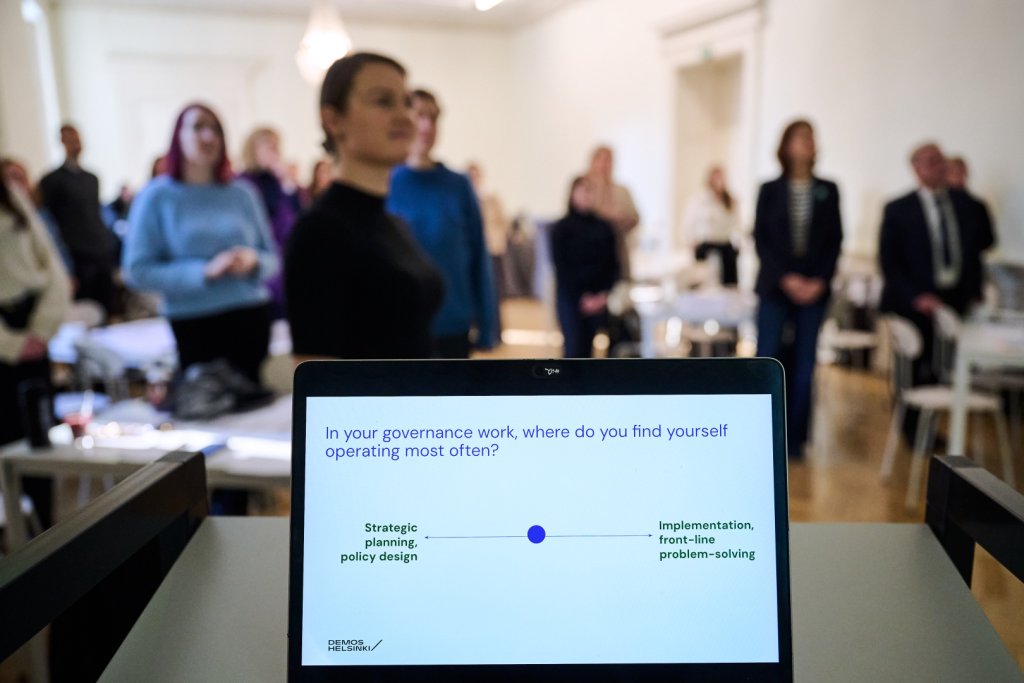
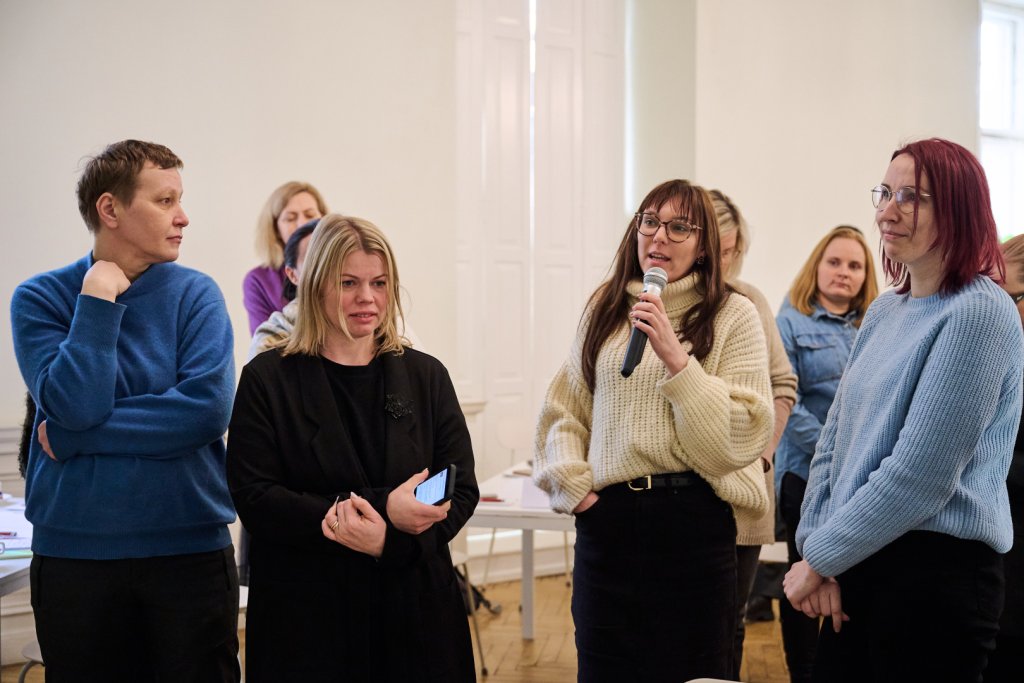
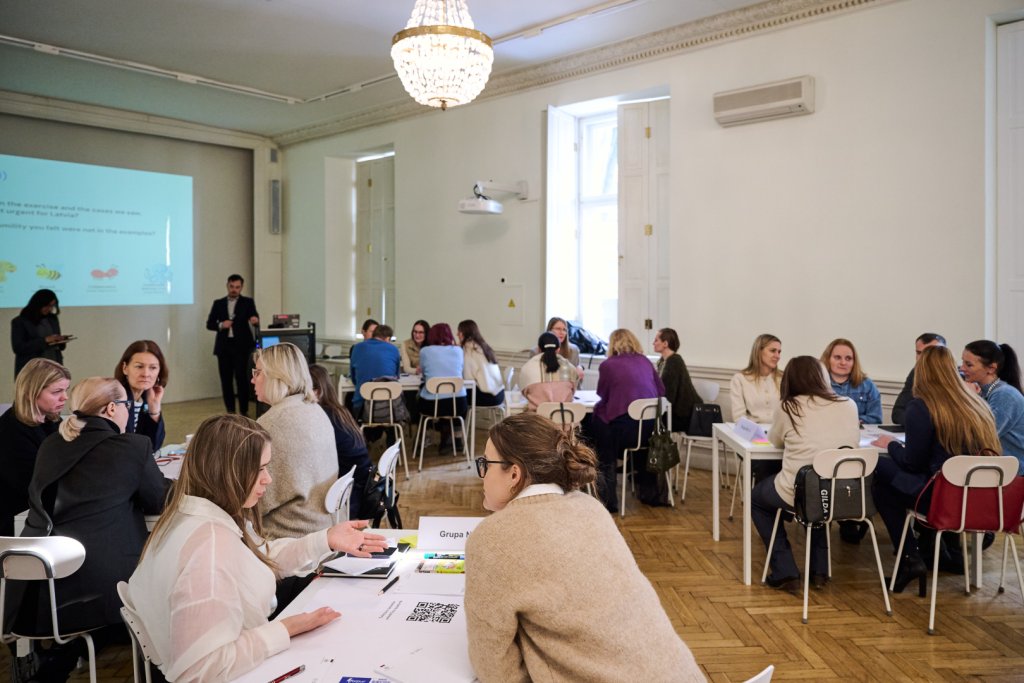
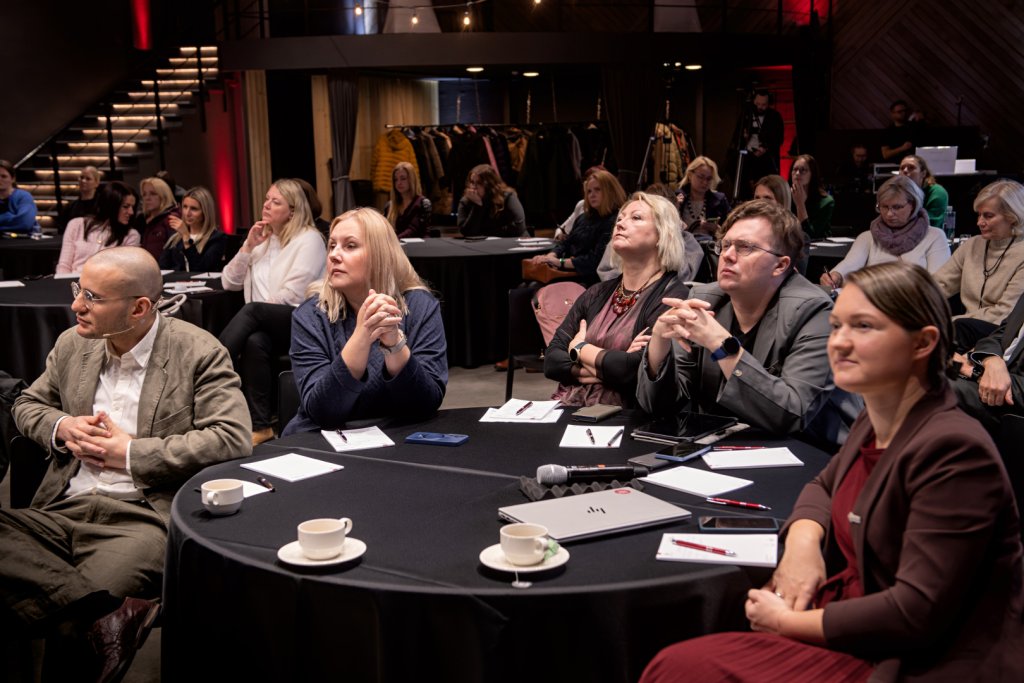
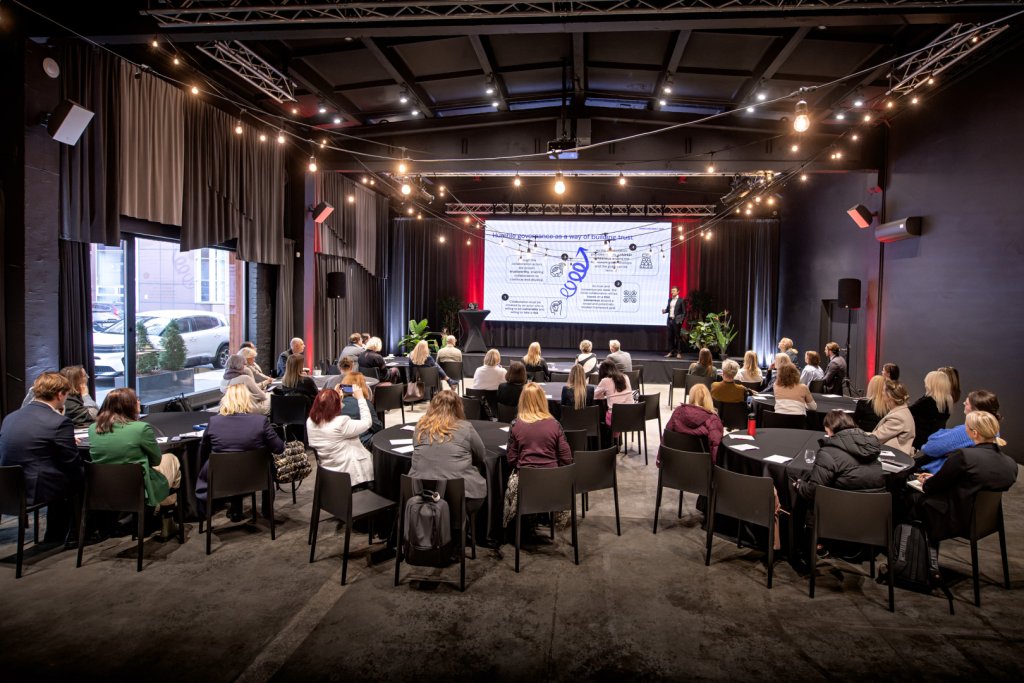
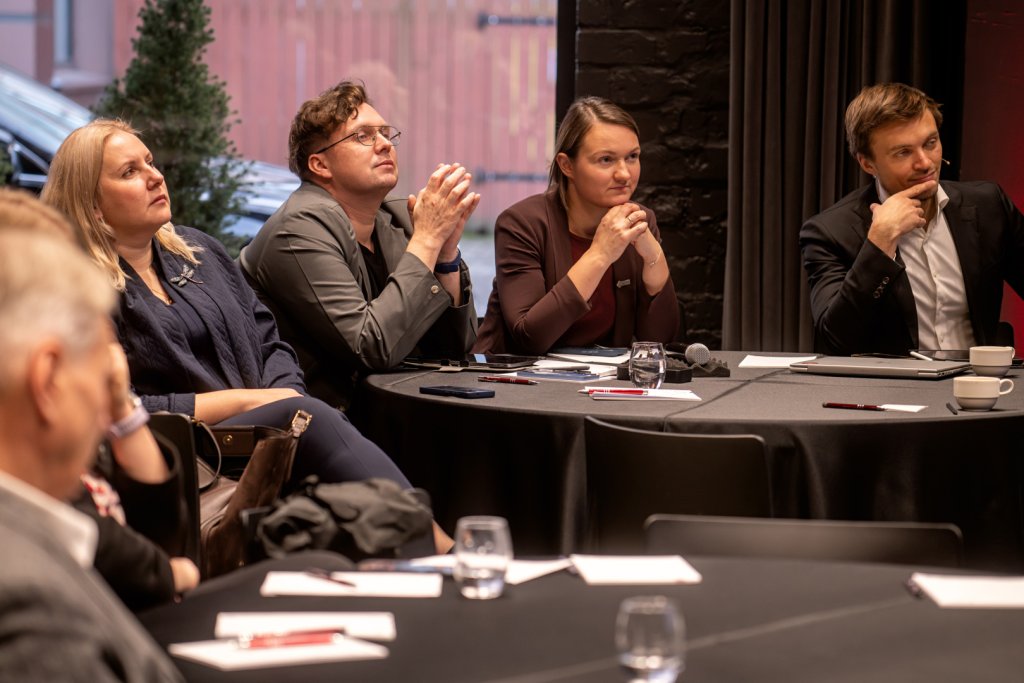
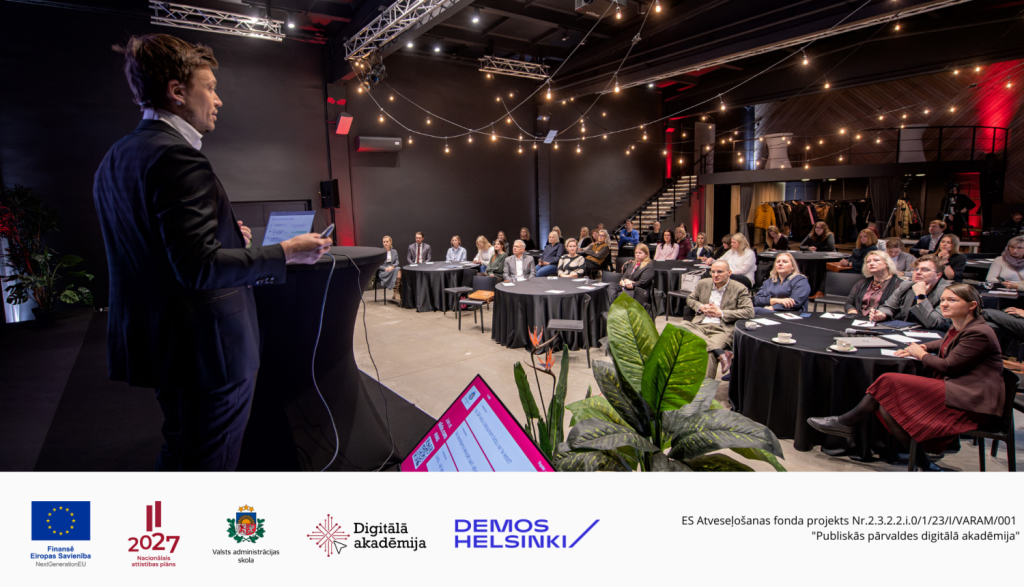
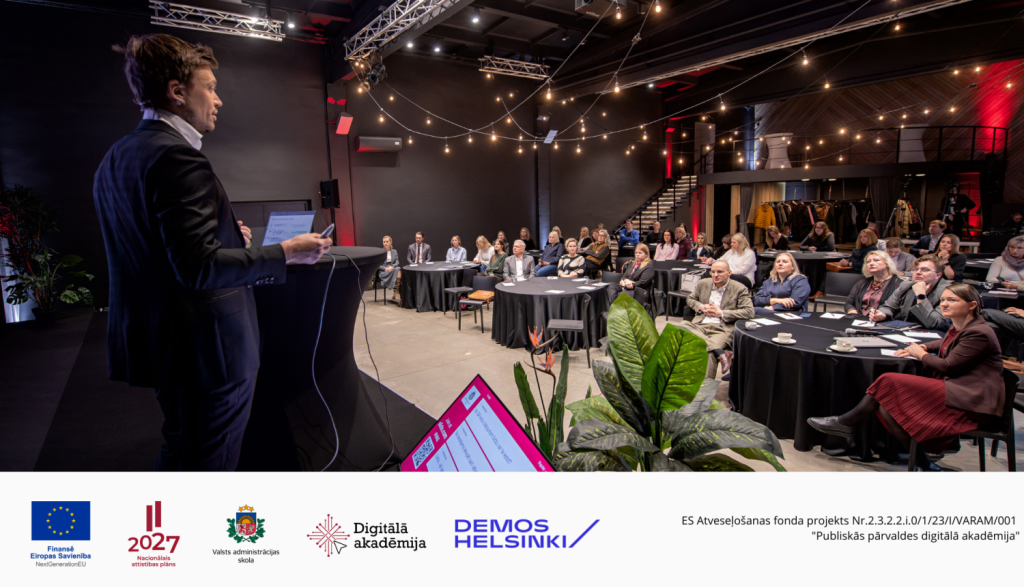
The programme combines a Symposium introducing the framework through international case studies and embodied methods, with the Humble Governance Journey, a 10-week programme where cross-ministerial teams apply the framework to real governance challenges through small-scale experiments. Participants are supported by clinics, expert sessions, a journalist panel from Finland and Latvia, and the Humble Leader Profile, a self-assessment canvas helping leaders understand what humble governance demands of their role. The journey culminates in a Grand Finale communicating results to stakeholders across government.
This initiative is powered by Latvia's Digital Academy, a national Recovery and Resilience Facility (RRF) programme reaching over 71,000 public servants. The Academy redefines government learning shifting from one-off training to continuous, practice-driven development. It cultivates professional communities, facilitates cross-institutional experimentation, and redefines leadership to value transparency over rigid control. The programme benefits civil servants gaining adaptive leadership tools, VAS building institutional delivery capacity, and ultimately citizens through more responsive governance. Pre/post surveys show measurable shifts: reduced fear of experimentation, a new community of practice, and movement from external consultants toward internal problem-solving. 100% of participants acknowledged facing challenges too complex for traditional planning approaches.
The core insight is that systemic change stems not from mandates but from psychologically safe environments for learning and collaboration. By merging Humble Governance's depth with the Digital Academy's scale, Latvia shows how a small administration can shift toward an adaptive, learning-oriented model - a transferable blueprint for governance transformation across Europe.
Innovation Description
What Makes Your Project Innovative?
Three aspects distinguish this from conventional governance reform. First, it treats culture, not structure, as the primary lever addressing the psychological fear of failure that OECD evidence identifies as Latvia's core barrier. Second, it applies a research-grounded framework: Humble Governance was developed by Demos Helsinki with Prof. Charles Sabel (Columbia Law School), validated through the Finnish Prime Minister's Office, and recognised with the Creative Bureaucracy Festival Award (2021). This gives the approach both academic rigour and practical credibility. Third, it combines this framework with an extended experimentation journey where civil servants test solutions on real problems, embedded within the Digital Academy's infrastructure (reach of 71,000+ public servants), creating conditions for long-term impact, sustainability and scale that standalone innovation projects rarely achieve.
What is the current status of your innovation?
The Symposium was delivered in January 2026. The 10-week Humble Governance Journey is in its final phase, with cross-ministerial teams completing experiments on real governance challenges. Embedded within Latvia’s RRF-funded Digital Academy, the programme is culminating with a Grand Finale event on 24 April to share results with stakeholders across government. The Humble Governance framework and methodology by Demos Helsinki, is adaptable to other national contexts with contextualisation.
Innovation Development
Collaborations & Partnerships
VAS provided institutional legitimacy, participant mobilisation, cultural knowledge, and the Digital Academy infrastructure. Demos Helsinki contributed the Humble Governance conceptual framework, international facilitation methodology, benchmarking case studies, and journey programme design. Current and ex-government stakeholders from Finland, Denmark and Latvia provided practitioner keynotes or panel talks on leadership, trust, experimentation lessons, failure and transformation.
Users, Stakeholders & Beneficiaries
Direct beneficiaries: ~30 senior civil servants across Latvian ministries and agencies gained practical leadership tools and peer networks. VAS gained institutional capacity to deliver the methodology independently. The Digital Academy ecosystem benefits from a proven model for practice-driven leadership development. Indirect beneficiaries: Latvia's broader civil service and citizens benefit from more adaptive, trust-based governance as participants embed the approach in their organisations.
Innovation Reflections
Results, Outcomes & Impacts
Pre/post surveys revealed four measurable shifts: (1) Reduced fear of experimentation as participants embraced failure as learning, not career risk; (2) A new community of practice as isolated participants discovered shared convictions across ministries;(3) Shift from outsourcing to internal capability, as officials recognised the value of building the state's own problem-solving capacity; (4) Action-oriented mindset replacing assumption-based planning. 100% of participants acknowledged facing challenges too complex for traditional planning. Participants independently defined humble governance around trust, collaboration, shared responsibility, closely mirroring the framework, suggesting genuine internalisation and change readiness.
Challenges and Failures
The primary challenge was cultural: in Latvia's administrative context, the fear of failure is deeply embedded and "humility" can be misread as weakness. The programme needed to explicitly reframe humble governance as a strategic and structural choice, as courage to act under uncertainty, not passivity. Senior civil servants have demanding schedules; maintaining engagement across a 10-week journey requires careful touchpoint design. Measuring culture change remains inherently difficult, the most important impacts (shifted mindsets, new behaviours) are the hardest to quantify. The programme developed survey instruments, but long-term tracking beyond the journey is needed to assess lasting impact on governance practice.
Conditions for Success
Embedding within the Digital Academy and its massive 71,000+ civil servant reach provided institutional infrastructure that standalone innovation projects lack. VAS's role as a trusted national training institution meant the programme wasn't perceived as an external imposition. A research-grounded framework gave participants confidence in the approach and the extended journey model (not one-off training) enabled genuine behaviour change avenues beyond awareness. Experiential methods made the approach 'felt' and participant seniority created potential for systemic culture change. Finally, alignment with OECD's prior Latvia work and VAS's mandates provided a compelling reform continuity narrative.
Lessons Learned
Three lessons we'd like to share: (1) Culture, not structure, is the primary lever: addressing the psychological fear of failure matters more than reorganising institutions. Creating psychologically safe environments to learn and collaborate drives systemic change more than mandates. (2) Scale follows infrastructure: embedding humility-based governance within the Digital Academy created conditions for replication that a standalone project never could. (3) One-off events don't change culture: the extended journey with experiments, clinics, and peer support was essential for impact. The symposium created awareness and the journey enabled lived-practice. This model offers a transferable blueprint for other administrations across Europe.
Anything Else?
This programme follows a longer arc of OPSI-Demos Helsinki-Latvia collaboration. In 2021, Demos Helsinki partnered with OPSI and Latvian State Chancellery's Innovation Laboratory to develop experimentation guidelines for the Latvian public sector. The Humble Governance programme builds directly on that foundation, moving from experimentation guidelines to an embedded governance culture that makes experimentation possible. The framework itself, developed with Prof. Charles Sabel (Columbia Law School) and validated through the Finnish Prime Minister's Office, is grounded in published research and adaptable to other national contexts with relevant contextualisation. The Grand Finale event (24 April 2026) will generate additional results.
Project Pitch
Supporting Videos
https://www.vas.gov.lv/lv/jaunums/cienpilna-parvaldiba-musdienigas-publiskas-parvaldes-pamats
Status:
- Implementation - making the innovation happen
Innovation provided by:

Media:

Date Published:
25 September 2026