

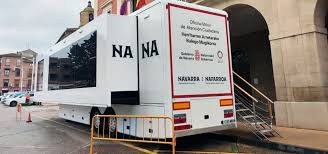
Many rural communities face difficulties accessing government services due to distance, ageing populations and digital barriers. Navarra created Mobile Citizen Offices: travelling public service units that bring administrative procedures and digital support directly to small municipalities. By reversing the traditional model—government travelling to citizens—the initiative reduces territorial inequalities, simplifies access to administration and strengthens trust in public institutions.
Innovation Summary
Innovation Overview
The mobile office is not a logistical response; it is an innovative initiative that breaks the paradigm of the “counter-based administration” to implement a proactive and multisensory administration. While other governments adapt their offices, the mobile office is conceived from the outset through a universal accessibility design. Many regions face growing challenges in ensuring equal access to public services for citizens living in rural or dispersed areas. In Navarra, most municipalities have small populations and are located far from administrative centres. For many residents—especially older people or those with limited digital skills—travelling to government offices can involve long distances and significant time. As governments increasingly digitalise services, these barriers can risk widening territorial and digital inequalities.
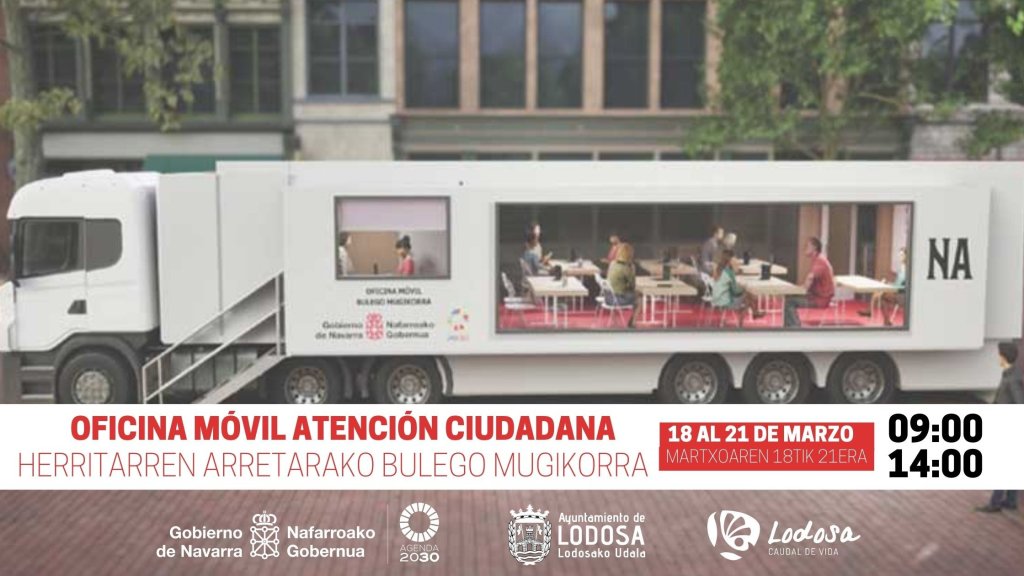
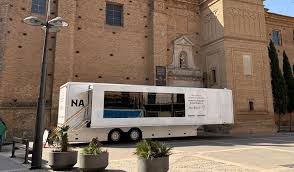
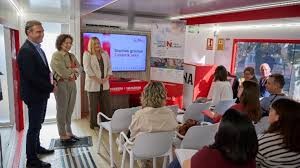
To address this challenge, the Government of Navarra introduced Mobile Citizen Offices, an innovative public service model that brings government directly to local communities. Instead of requiring citizens to travel to administrative centres, a fully equipped mobile office travels regularly to municipalities with fewer than 20,000 inhabitants. The vehicle operates as a legally recognised citizen service office, allowing residents to complete official procedures such as administrative registrations, digital identification, information requests and applications for public services.
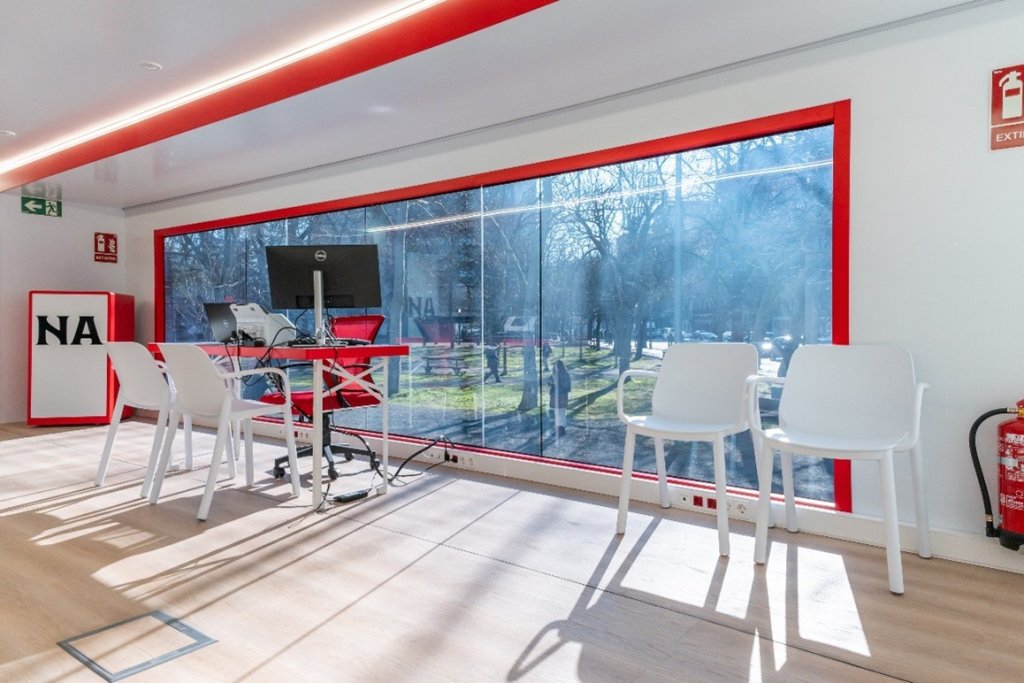
The mobile office combines administrative services with personalised digital assistance. Public servants help citizens complete procedures on-site and support them in learning how to use online public services independently. This approach not only improves access to government services but also strengthens digital inclusion, particularly among older populations.
Beyond service delivery, the initiative also strengthens the relationship between citizens and government. Visits provide opportunities for public servants to explain policies, gather feedback and better understand the needs of rural communities. This direct interaction helps build trust and ensures that public services respond more closely to local realities.
Since its launch in 2025, the Mobile Citizen Office has visited dozens of municipalities, assisting thousands of citizens and completing thousands of administrative procedures. The initiative has reduced the need for travel to administrative centres while improving awareness and use of public services.
Looking ahead, the Government of Navarra plans to consolidate the mobile office as a permanent element of its citizen service system and explore opportunities to expand the model to additional locations and services. The approach demonstrates how governments can redesign public service delivery to ensure territorial equity, strengthen citizen-government relationships and adapt administrative systems to the realities of rural communities.
Innovation Description
What Makes Your Project Innovative?
The Mobile Citizen Offices represent a shift in how public administrations deliver services in territorially dispersed regions. Instead of expecting citizens (often older or living in rural areas) to travel to administrative centres, government services travel directly to them. The initiative combines administrative service delivery, digital inclusion and citizen engagement in a mobile platform legally recognised as a public service office. The administration assumes the cost of travel and technical complexity, freeing citizens from difficult journeys.
This model addresses territorial and digital barriers at the same time. By combining physical accessibility with digital support, the project redesigns public service delivery around citizens’ real needs. Accessibility features such as Easy-to-Read and plain language ensure that no one is excluded from public services.
What is the current status of your innovation?
The service regularly visits towns with fewer than 20,000 inhabitants across rural Navarra. Continuous monitoring improves routes and services. The initiative is becoming a permanent part of Navarra’s citizen service model and may expand to new municipalities. Staff act as qualitative sensors, collecting complaints and proposals the regional administration must study. With satellite connectivity and energy autonomy, the office also serves as a secure communication node in crises.
Innovation Development
Collaborations & Partnerships
The innovation was developed through collaboration between the Government of Navarra, the public technology company NASERTIC and local municipalities. Regional government departments coordinate service delivery while municipalities support local outreach and logistics. Public servants staff the mobile office, ensuring administrative validity of procedures and providing personalised assistance to citizens.
Users, Stakeholders & Beneficiaries
Primary beneficiaries are residents of rural municipalities, particularly older people and citizens and small local businesses with limited digital skills or mobility constraints. Local governments benefit by improving access to regional services for their communities. Public servants gain a better understanding of citizen needs through direct interaction, strengthening the relationship between government and local communities.
Innovation Reflections
Results, Outcomes & Impacts
Citizen Office has visited 60+ municipalities across Navarra, assisted 45,000+ citizens and completed 5,500+ administrative procedures. Avoided forced travel saved an estimated 67,500 km reducing emissions, direct costs for rural families and administrative barriers. On-site digital support increased citizens’ ability to use online public services independently. Around 60% of users are over 50, many regaining autonomy in managing procedures. Monitoring included visits, procedures and user satisfaction. The initiative improved territorial equality, autonomy and physical proximity that multiplies trust in public institutions.
Challenges and Failures
The main challenge was integrating services from different government departments and breaking traditional administrative silos so procedures from areas such as Taxation, Housing, the Navarre Employment Service and Traffic could be delivered in one place. This required redesigning workflows and training frontline staff. Navarra’s dispersed geography also created connectivity challenges, addressed through satellite technology to ensure service. Operating the 16-metre mobile office and coordinating visits across many small municipalities required close cooperation with local authorities and flexible route planning. Initial resistance within the administration declined as the model proved effective and reduced pressure in central offices.
Conditions for Success
Key success factors include strong political commitment to territorial equality, supported by a regulatory framework integrated into the I and II Open Government Plans. Collaboration between government departments, the public technology company NASERTIC and local municipalities has also been essential, with them playing a key role in outreach and citizen mobilisation. Adequate technological infrastructure allows the mobile office to operate as a fully functional administrative service point, with connectivity and energy autonomy ensuring service anywhere. Equally important has been the commitment of public staff, who provide personalised assistance using active listening and plain language, becoming the human face of the innovation.
Lessons Learned
One key lesson is that digitalisation alone does not guarantee equal access to public services. In rural or ageing communities, physical proximity remains essential: citizens often need a human solution, not only an online service. Combining mobile service delivery with digital assistance helps reduce territorial and digital divides and increases trust in public institutions. Close cooperation with local governments helps adapt routes and services to real community needs. Direct interaction between public servants and citizens also provides insights to improve policies. Designing services from an inclusion perspective (disability, rurality, migration, etc.) ultimately makes public administration more accessible and efficient for everyone.
Anything Else?
The Mobile Citizen Offices demonstrate how governments can redesign public service delivery to respond to demographic and territorial challenges. The model is adaptable and can be replicated in other regions with dispersed populations or limited administrative infrastructure. By bringing government physically closer to citizens, the initiative contributes to a more inclusive, responsive and accessible public administration.
This model is 100% scalable to any region with high geographic dispersion and an ageing population, acting as a prototype for Digital Justice. It is not just a vehicle; it is Navarre’s standard for an administration that leaves no one behind.
Supporting Videos
Status:
- Implementation - making the innovation happen
Innovation provided by:

Media:
Files:
Date Published:
29 September 2026