

Climate change requires comprehensive responses at local and regional level which makes local government critical to the delivery of national and international policies. The establishment of four Climate Action Regional Offices (CAROs) as Centres of Excellence based on distinct geographic/topographic characteristics enables them to advise local authorities in their region on climate action strategies ensuring a coordinated response and assisting with the roll-out of national/regional policies at…
Country: Ireland
This programme was developed to address critical strategic challenges in the Criminal Justice Sector in Ireland so as to enhance sectoral leadership and public value. A cross agency collaborative learning and implementation methodology was used. High profile reviews of deep seated cultural and procedural challenges have inspired this programme. The IPA and agencies across the criminal justice system have taken an innovative approach to collaboration, learning and implementation. .
Transport Infrastructure Ireland introduced a new and innovative approach to the management of our eFlow Tolling Operations Contract on the M50 Motorway by introducing a collaborative relationship-based governance framework with our service provider.
We expect this innovation to deliver better customer services, improved toll revenues and reduced operating costs, which will result in more available funding for investment in our transport infrastructure and services.
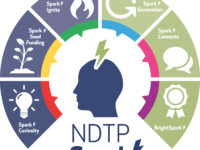
National Doctors Training and Planning has commenced The Spark Innovation Program, designed to empower junior doctors to innovate and make positive changes within the public health system.
In a traditionally bureaucratic environment where innovation is not encouraged, the Spark program not only enables innovation but actively encourages it. Through this empowerment of initiative, creativity and expertise, retention of staff is also addressed and morale increased.
The Citizens' Assembly was an exercise in deliberative democracy, placing the citizen at the heart of important legal and policy issues facing Irish society. With the benefit of expert, impartial and factual advice the 100 citizen Members considered five topics. Their conclusions formed the basis of a number of reports and recommendations that were submitted to the Houses of the Oireachtas (the Irish Houses of Parliament) for further debate by our elected representatives.
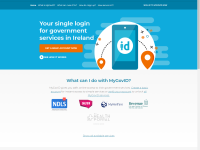
In meeting our own online identity and access management requirements the Department developed MyGovID as a single online account for all government bodies in Ireland.
The innovation was in building a trust framework that provides a high level of assurance to government agencies. Customers accessing online services only have to sign up once.
MyGovID was developed as a responsive user experience using a cloud based identity and access management service.
In response to a failing property market, Limerick City and County Council took the ambitious step to create the first, Local Authority wholly owned special purpose vehicle created in Ireland to deliver a city and countywide programme of property investment. It required the local authority to take on the role of developer of derelict properties in the core of the city setting up this legal entity and raising the investment funding needed to develop key strategic sites.
AID:Tech provides digital delivery of entitlement via digital identity. We marry access with identity and were the first company to deliver international aid to Syrian refugees in Lebanon using Blockchain technology. AID:Tech’s goal is to empower through transparency and accountability; our platforms help our client partners work towards the UN’s Sustainable Development Goals.
My Open Library is a customer service delivery project which extends public library opening hours from 8.00 am to 10.00 pm, seven days per week. New technology allows users to access the buildings and services at times that suits them best.
The Personal Micro Credit (PMC) initiative aims to move people who cannot access mainstream credit away from high cost moneylenders, by providing an alternative, legitimate, low cost personal loan scheme, delivered through the nationwide network of credit unions. Innovation stems from a multi stakeholder approach (government, agencies, regulatory and the social economy). PMC offers a path to those excluded from affordable credit to ‘graduate’ to having access to mainstream financial…