
Trend Atlas is a digital, interactive platform with rich insights on local and global trends and emerging signals to inform strategic planning, policy development and service redesign. It reduces research time, rework and duplication by breaking down information silos with centralised data and evidence. Built by policy people who upskilled in digital, it combines automation and curation with a sustainable contributor model to create a collaborative and trusted strategic intelligence service.
Innovation Tag: Process Improvement/Simplification
In response to the Australian Government’s National Blockchain Roadmap the Blockchain Excise Platform digitises and tracks a taxable commodity (in this case pure litres of alcohol). It connects producers and regulator with real-time access to new data, generating productivity benefits and reducing illicit activity. A first of its kind blockchain ecosystem connecting the regulator to industry to more effectively control the movement, transfer and payment of liabilities for an excise commodity.
Case Study
Tertius – An online construction marketplace that easily connects property developers with…
Tertius has resulted in massive productivity gains for the building industry in DC, enabling developers & property owners to book (at a nominal cost) certified third party agency inspections. Outcome: Far more efficient matching of demand & supply for permit inspections, substantially reducing turnaround times. Tertius has driven revenue to the taxpayers, increased regulatory oversight, increased safety in the building community, saving property owners and developers thousands of dollars.
GovTech Edu works with the Indonesia MoECRT to build a technology ecosystem to create an irreversible transformation for Indonesia’s education system. It includes tech platforms made available for teachers, school principals, university students & practitioners, through products like Teacher SuperApp, Education Scorecard & University Internship Matchmaking Platform. With these, the transformation to improve student learning outcomes becomes more inclusive, data driven & impact-enabling at…
The Ukraine war established a commitment to work across sectors to improve digital services to refugees. Focus on end user needs and an unbureaucratic organizational model have produced tangible results such as:
Better update of address information in national register
Electronic identification - access to digital services
Twelve agencies worked with obstacles and bottlenecks in the refugee's user journey, with the objective of good transitions between services.
The City of Seattle spends over $720 million every year. With the surge of COVID-19, small businesses were left in a highly vulnerable position, forcing many to shut down. This is especially true for women and minority-owned small businesses (WMBEs). We worked with the City to launch its e-commerce government marketplace, providing a platform for government buyers to seamlessly find local WMBEs, access their products and services, obtain quotes, and check out with a few clicks.
Officina is a lab for innovation in the public sector whose main objective is to catalyse the energy of young talents by offering them a transformative training programme. Officina was developed to address a triple urgency: future decision makers not perceiving the public sector as an attractive workplace; the public sector having high average age workforce and lack of innovative approaches; society at large needing a more modern and appealing public sector in this key historical moment.
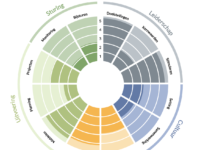
A lot of innovative activities are carried out by Dutch and other governments. Unfortunately, the impact is limited. Innovations are stand alone projects, not implemented or scalable within primary processes. This reference model supports the implementation of an innovation management system for governments. The starting point is an Innovation Maturity Scan. Tooling, training and handouts are available supporting a social and process innovation transition at governmental organizations.
The rate of innovation often exceeds the speed at which regulatory systems can adapt, blurring lines between sectors and cutting across transitional regulatory and geographical boundaries. The RPF aims to keep the UK at the forefront of regulatory thinking and experimentation. It sponsors projects, led by regulators, aiming to help create a UK regulatory environment that encourages business innovation and investment. It is market-led and uses real-world innovation settings to deliver.
With the Quality Tools an organisation can evaluate, monitor and compare the quality and use of its services within and between organisations. The tools include a Self-assessment, Customer Feedback and Utilisation Rate Measurement tool and are free of charge. The tools were developed primarily for public sector organisations to help them develop customer-oriented digital services and improve knowledge-based management. On a national level the tools provide data on the state of digitalisation.