
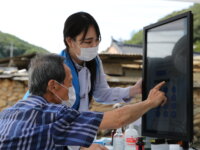
Since its inception in 2020 for the purpose of realizing a digitally inclusive society, the Digital Competency Center Project has been providing digital competency training for citizens to enjoy the benefits of digital technologies and services as their lives and socioeconomic activities are rapidly digitalized. Thanks to the innovation, any person in Korea can visit their local Digital Competency Center for a free, hands-on training programmes to foster skills for using mobile or digital…
Innovation Tag: Cross-Sector Partnerships

To accommodate the growing foreign talent pool in Vilnius and support the city’s economic development, the Lithuanian Government established a unique one-stop-shop style service centre for foreign talent. Specialists representing various important state institutions gather in one place to provide services to foreign talent relocating to Vilnius. This is the first centre of its kind in Lithuania and comes as a great relief for foreigners while improving Lithuania’s image and increasing its…

Aware of the ongoing digital transformation and user needs, HRDKorea (Human Resources Development Service of Korea)partnered with the private sector to leverage industry-leading technology for the creation of the Mobile National Technical Qualification Service. The certificate layout was fully reconfigured to fit the smartphone environment and used blockchain technology to develop a service that now allows users to immediately access their certificates on their mobile phones. The previous model…
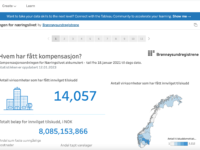
The digital compensation scheme was created to support Norwegian businesses to endure the financial consequences of the Covid-19 pandemic. The scheme designed was quick, efficient, and can be relaunched when needed. Checks are done before the disbursement, which minimizes the need for verification afterwards and also prevents misconduct. Applications are approved by an auditor, and then automatically processed and checked against information from a variety of sources and registers. Information…

ANII, in collaboration with the private sector and the support of Uruguay's Ministry of Health, is piloting a novel Open Innovation Initiative (MH2030). Ageing populations and rising numbers of people with multiple chronic diseases are placing an increasing burden on health systems. There is a need for improving healthcare by fostering an innovative environment. Through this new co-creative approach, local entrepreneurs work collaboratively with partnering healthcare institutions to tailor and…
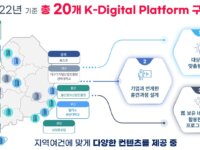
The Korean government recently piloted the K-Digital Platform (KDP) to enhance national digital literacy and foster manpower suitable for digital convergence as digital transformation and low-carbon economy transition accelerated in all areas of the labor market. This is to strengthen the digital capabilities of various consumers, including workers, young job seekers, and the self-employed, and to preemptively and systematically respond to structural changes in future industries.

In the face of the talent deficit faced by the productive sector in the digital era, PLAi seeks to develop the skills required for Jalisco to consolidate itself as a hub of innovation. It offers training to the economically active population through partnerships with national and international institutions. It is innovative because it takes advantage of good practices of private initiative and the public sector, as well as technological and educational advances in the world and brings everything…
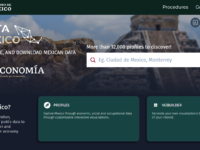
Data Mexico was developed to integrate and transform public and private sector data to enable a better understanding of the economic and social context. The platform facilitates strategic decision-making through key evidence and integrating databases with technologies for aggregating, filtering and reorganising information. In this way, it innovates in public access to data, contributing to the development, diversification and promotion of the Mexican economy.
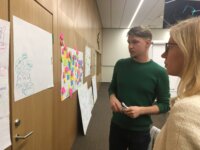
In Estonia, there are a number of people who do not know how to speak the official language well enough. This prevents people from finding a better job, participating in Estonian cultural life, communicating with Estonians, and finding personal fulfilment. The goal of the project was to understand the needs of an adult language learner to then know how to organize language education for them so that it helps them better acquire the Estonian language. As a result, a common agreement that improves…
Case Study
A network-based Competence Centre for Sustainable and Innovative public procurement in Finland
The Finish Government established a network-based Competence Centre for Sustainable and Innovative Public Procurement (KEINO) in 2018. The Centre provides, free of charge, advisory services to public procurers, promotes the strategic importance of procurement competencies in public management, facilitates creation of buyers’ groups among procurers, and disseminates information and good practices. The network consists of five public organisations.